


Learn more about our appointment options, second opinions, locations, referrals, and resources that are at your disposal.

Cardiovascular Medicine Department
About our Cardiovascular Medicine Department
The health of your cardiovascular system —your heart and blood vessels—is critically important to your overall health and well-being.
Cardiovascular medicine is a specialized field of internal medicine focused on the diagnosis, treatment, and prevention of diseases affecting the heart and blood vessels. Your care team will likely consist of your cardiologist, nurse practitioner, physician assistant, pharmacist, and other care providers who are all working in tandem to deliver tailored care specific to your condition. The AHN Cardiovascular Medicine Department treats:
- Coronary artery disease: Narrowing of the arteries that supply blood to the heart.
- Heart failure: When the heart can't pump enough blood to meet the body's needs.
- Arrhythmias: Irregular heartbeats.
- Valvular heart disease: Problems with the heart valves.
- Congenital heart defects: Heart problems present at birth.
This multidisciplinary team of specialists uses a patient-centered approach, combining groundbreaking research and advanced treatment plans tailored to individual patient needs. Our cardiologists use a variety of diagnostic tools like ECGs, echocardiograms, stress tests, CT/MRI, and cardiac catheterization to assess heart health. We also provide treatments ranging from lifestyle modifications and medications to advanced procedures like angioplasty, stenting, catheter-based valve treatments, ablation, and pacemaker/defibrillator implantation.
What is the difference between cardiology and cardiovascular medicine?
Cardiology is simply the more common and generally accepted term for the medical specialty that deals with the heart and blood vessels. Cardiovascular medicine is a more formal or descriptive way of saying the same thing, emphasizing the scope that includes both the heart (cardio-) and the blood vessels (-vascular). Cardiology is the widely used, shorter name for the field. Cardiovascular medicine is a succinct and more descriptive name for the exact same field of study and practice. Both terms refer to the same specialty focused on diagnosing, treating, and preventing diseases of the heart and circulatory system. Doctors who specialize in this area are called cardiologists.
Treating heart and blood vessel conditions
Your heart pumps approximately 2,000 gallons of blood throughout your body every single day, delivering oxygen and nutrients to every cell and organ, and removing waste products. If your heart or blood vessels do not work correctly, this vital delivery system is compromised, leading to organ damage, functional decline, and potentially life-threatening conditions. AHN cardiologists diagnose and treat conditions that could lead to these issues and are focused on achieving positive health outcomes using tailored treatments for their patients.
For many of these conditions, the first step is lifestyle modification. A cornerstone of treatment, this plan includes dietary changes, regular physical activity, stopping smoking, regulating alcohol consumption, getting adequate sleep, and weight and stress management. It also focuses on controlling conditions such as diabetes, hypertension, and high cholesterol. In addition to the support from your AHN care team, we also focus on following the American Heart Association Life’s Essential 8 for healthy steps to aid in mitigating the conditions that affect your heart and blood vessels.
Coronary artery disease
Coronary artery disease (CAD) is a very common and serious condition that occurs when the major blood vessels that supply the heart muscle with blood, oxygen, and nutrients (the coronary arteries) become damaged or diseased.
Coronary artery disease medications
To treat coronary artery disease, your care team will likely recommend lifestyle modifications and medications to help manage symptoms, reduce risk factors, and prevent complications. Common medications used in treatment include:
- Antiplatelet agents (e.g., aspirin, clopidogrel, ticagrelor, prasugrel): These medications work by inhibiting platelet aggregation, preventing blood clots from forming in narrowed or damaged arteries. This is crucial for reducing the risk of ischemic events such as heart attacks and strokes, especially in patients with atherosclerosis, peripheral artery disease (PAD), or after certain procedures like stenting.
- Cholesterol-lowering medications (statins): Statins are a cornerstone therapy for cardiovascular disease. They primarily reduce LDL (bad) cholesterol by inhibiting an enzyme in the liver responsible for cholesterol production. Beyond lowering cholesterol, statins have pleiotropic effects, including stabilizing existing atherosclerotic plaque, reducing inflammation, and preventing new plaque formation, thereby decreasing the risk of cardiovascular events.
- Other medications for lowering cholesterol may include Ezetimibe PCSK-9 inhibitors (such as alirocumab or evolocumab), and inclisiran.
- Beta-blockers: These medications block the effects of adrenaline and noradrenaline on beta receptors in the heart and blood vessels. This action reduces heart rate, blood pressure, and myocardial contractility, thereby decreasing the heart's workload and oxygen demand. They are frequently used to treat angina, post-myocardial infarction, and certain arrhythmias.
- ACE inhibitors or angiotensin receptor blockers (ARBs): These medications help relax blood vessels and lower blood pressure. They do this by blocking a natural body system that can make blood vessels constrict and raise blood pressure. Both are very important for people with high blood pressure, diabetes (as they protect the kidneys), heart failure, or after a heart attack.
- Nitroglycerin/nitrates: These medications quickly open up blood vessels throughout the body, especially the veins. This helps reduce the amount of blood returning to the heart, making its job easier. They also widen the arteries that supply blood to the heart itself, improving blood flow. This rapid action helps stop chest pain (angina) and can sometimes be used to prevent it.
- Calcium channel blockers: These drugs inhibit the influx of calcium into vascular smooth muscle cells and cardiac muscle cells. This leads to relaxation of blood vessels (vasodilation), lowering blood pressure. In the heart, they can decrease heart rate and contractility. They are used for hypertension, angina (by improving myocardial oxygen supply and demand balance), and certain arrhythmias.
- Ranolazine: This medication works by inhibiting the late sodium current in heart muscle cells, which helps to improve the efficiency of oxygen utilization by the heart without significantly affecting heart rate or blood pressure. It is specifically indicated for the treatment of chronic angina, particularly when other anti-anginal therapies are insufficient or not tolerated.
Coronary artery disease (CAD) medical procedures and surgeries
For more severe blockages, or when symptoms aren't controlled by lifestyle and medications, interventional procedures or surgery may be necessary:
- Percutaneous coronary intervention (PCI)/angioplasty and stenting: A catheter with a balloon is inserted into an artery (usually in the wrist or groin) and guided to the blocked coronary artery. The balloon is inflated to compress the plaque against the artery walls, widening the artery. Often, a stent (a small mesh tube) is then placed to help keep the artery open. A stent helps improve blood flow through the blockage.
- Coronary artery bypass graft (CABG) surgery: A surgical procedure where a healthy blood vessel (often taken from the leg or chest) is grafted to bypass the blocked section of the coronary artery. This creates a new path for blood to flow to the heart muscle. A bypass helps improve blood flow around the blockage.
Other treatment approaches for coronary artery disease include:
- Cardiac rehabilitation: A structured, medically supervised program designed to help patients recover from a cardiac event or procedure and improve their overall heart health.
- Regular monitoring and follow-up: Patients with CAD require ongoing monitoring by their cardiologist, which includes regular check-ups, blood tests, and blood pressure monitoring.
Heart failure
Heart failure is a serious chronic condition in which the heart muscle doesn't pump blood as well as it should. Despite its name, heart failure doesn't mean the heart has stopped working entirely; rather, it means the heart can't pump enough oxygen-rich blood to meet the body's needs. It may also be from a heart being too stiff to accommodate enough blood flow. Allegheny General, Allegheny Valley, Canonsburg, Jefferson, and Saint Vincent hospitals are all gold certified by the American Heart Association for Get With The Guidelines® Heart Failure Program. Our approach includes using various surgeries, treatments, procedures, and therapies:
- Heart transplants
- Mechanical circulatory support as a bridge to transplant or destination therapy
- Acute circulatory support
- Novel heart failure device therapies
- Coronary artery bypass grafting
- Minimally invasive robotic-assisted cardiac surgery
- Implantable cardioverter defibrillator
- Cardiac resynchronization therapy
- Heart valve repair and replacement
- Percutaneous interventions
- Investigational devices
Heart rhythm disorders
Heart rhythm disorders, also known as arrhythmias, are conditions where the electrical impulses that coordinate your heartbeats don't work properly. This causes your heart to beat too fast, too slow, or irregularly. Our treatments include:
- Rhythm and rate-control medications and anticoagulants
- Percutaneous left atrial appendage closure devices like the WATCHMAN® and Amulet™
- Interventional treatments for atrial fibrillation, such as pulmonary vein isolation with pulsed field ablation
- Maze procedures, typically done in conjunction with other cardiac surgeries
- Ablation for ventricular tachycardia
- Device/lead extraction
Valve problems
Your heart has four valves that act like one-way gates, ensuring blood flows in the correct direction through the heart and out to the body and lungs. Heart valve problems occur when one or more of these valves don't open or close properly. The two main types of problems are:
- Stenosis: The valve leaflets (flaps) become stiff, thickened, or fused, preventing the valve from opening fully. This narrows the opening, forcing the heart to work harder to pump blood through the constricted passage.
- Regurgitation (or insufficiency/incompetence): The valve leaflets don't close tightly, causing blood to leak backward (regurgitate) with each heartbeat.
Less commonly, a valve might have prolapse, where the leaflets bulge backward into the preceding chamber (e.g., mitral valve prolapse), which can sometimes lead to regurgitation.
Sometimes surgical or catheter-based valves can develop leaks (perivalvular leak), which can be treated using advanced techniques and devices.
Treatment depends on the specific valve problem, its severity, the patient's symptoms, and overall health.
Heart valve medications
Medications don't fix the valve itself, but they can help manage symptoms and reduce the heart's workload:
- Diuretics: These are often used to reduce fluid buildup and swelling.
- Beta-blockers or calcium channel blockers: Used to help slow heart rate, control blood pressure, and reduce the heart's workload.
- Vasodilators (e.g., ACE inhibitors, ARBs, ARNIs): Depending on your needs, vasodilators can help relax blood vessels and lower blood pressure.
- Anticoagulants (blood thinners): Blood thinners help prevent blood clots, especially important for some patients with atrial fibrillation or mechanical prosthetic valves.
- Antibiotics: Used to prevent or treat infective endocarditis, especially before certain dental or surgical procedures in high-risk patients.
- Investigational/research medications: AHN is fortunate to have access to emerging research and technology in several areas and uses this research to help guide medication recommendations.
Heart valve repair or replacement
These procedures are generally considered when symptoms become severe, the heart function is significantly affected, or there's a high risk of complications and includes:
- Valve repair procedures:
- Valvuloplasty: For stenotic valves, a balloon is threaded into the heart and inflated to widen the narrowed valve opening.
- Annuloplasty: For regurgitant valves, a ring is implanted around the base of the valve to help the leaflets close more tightly.
- Chordal repair/replacement: For mitral valve prolapse or regurgitation, damaged chordae (tendons that support the valve) are repaired or replaced.
- Transcatheter mitral valve repair (TMVr)/MitraClip: A minimally invasive procedure where a clip is used to reduce mitral valve regurgitation.
- Transcatheter aortic valve replacement (TAVR): A minimally invasive procedure where an artificial valve is delivered by catheter, not surgery, to replace your heart valve.
- Transcatheter tricuspid valve repair: A minimally invasive procedure where a clip is used to reduce tricuspid valve regurgitation.
- Valve replacement: If a valve cannot be effectively repaired, it is replaced with a new one. This can be done via traditional open-heart surgery or increasingly through minimally invasive transcatheter approaches.
After valve repair or replacement, patients typically undergo cardiac rehabilitation to help with recovery and optimize long-term heart health.
Cardiovascular medicine specialists
The Cardiovascular Medicine Department at AHN is staffed by a team of expert cardiologists and heart specialsts all focused on delivering compassionate and comprehensive care personalized to your needs.
Cardiology/Imaging — Pittsburgh

Director, Cardiology/Imaging

Medical Director, Amyloidosis Cardiology
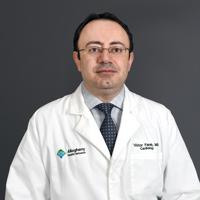
Medical Director, HCM Cardiology/Imaging

Program Director, Anticoagulation/Outreach Echo Cardiology

Cardiology

Medical Director, Echo Cardiology/Imaging

Cardiology

Medical Director, Cardio-Oncology

Cardiology

Cardiology

Medical Director, Remote Cardiac Rehab Cardiology
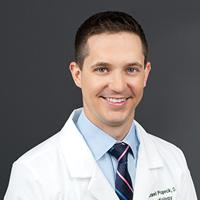
Medical Director, AHN Aortic Diseases Cardiology

Diversity and Inclusivity Cardiology

Cardiology

System Co-Director CV CT & MRI Cardiology/Imaging
Interventional Cardiology — Pittsburgh

System Division Director, Interventional Cardiology

Program Director Int Cardiology Fellowship, Interventional Cardiology

Associate Director Int Cardiology Fellowship, Co-Director ICU Cardiology

Director, Cath Lab Interventional Cardiology

Co-Director, ICU Cardiology

Interventional Cardiology

Director Cath Lab, Armstrong County Regional Interventional Cardiology

Director, Canonsburg Cardiology
Heart Failure — Pittsburgh

System Division Director, Heart Failure

Heart Failure/Adult Congenital

Heart Failure Program, Director General Cardiology Fellowship

Medical Director, MCS Heart Failure

Heart Failure

Program Director, Heart Failure Fellowship
Electrophysiology — Pittsburgh

System Division Director, Electrophysiology

Electrophysiology

Medical Director Electrophysiology Lab, Forbes Electrophysiology

Director, Electrophysiology Research

Electrophysiology

Electrophysiology

Electrophysiology

Medical Director, Electrophysiology
Cardiology — Erie

Regional Medical Director and Cath Lab Director, Interventional Cardiology

Director, Non-Invasive and Cardiac Rehab, Wexford

Cardiology

Cardiology

Cardiology
Interventional Cardiology — Erie

Regional Medical Director, Interventional Cardiology

Interventional Cardiology

Director Cath Lab, Interventional Cardiology

Interventional Cardiology/Imaging

Pararajasingham Yogeswaran, MD
Interventional Cardiology/Imaging
Electrophysiology — Erie

Electrophysiology

Medical Director, Electrophysiology

Jasmin Martinez-Castellanos, MD
Cardiology/Imaging
Cardiology/Imaging

Cardiology/Imaging
Interventional Cardiology — Northeast

Regional Medical Director, Cath Lab Director Interventional Cardiology

Co-Director, CV Imaging Interventional Cardiology

Cardiology Northeast

Cardiology

Interventional Cardiology

Co-Director CV Imaging & Medical Director, West Penn Cardiology

Cardiology
Cardiology — East

Medical Director Pittsburgh Heart Failure

Medical Director Imaging Director East Cardiology/Imaging

Medical Director, Cath Lab Interventional Cardiology

Cardiology
Interventional Cardiology
Cardiology

Cardiology
Cardiology
Cardiology — South

Medical Director, Cardiology Jefferson and Cardiac Rehab

Medical Director, Cardiac Imaging Jefferson

Cardiology

Cardiology

Director, Cath Lab Jefferson Interventional Cardiology
How to get care
Seeing a general cardiologist is often the first step in receiving specialized cardiovascular care. To schedule with a general cardiologist, you can:
- Call (412) DOCTORS 412-362-8677
- Schedule online
- Use Find Care to schedule directly with a specific provider that you know
Clinical trials and research
AHN stays at the forefront of advanced research and clinical trials. This commitment to developing new procedures and treatment options helps create opportunities for our patients to pursue new avenues of care. We offer more than 75 clinical trials to eligible individuals. Your AHN care team can help identify if you may be a good candidate for the clinical trials currently available.
Our clinical translational research includes:
- Decision support in advanced heart failure and pulmonary arterial hypertension
- Pulmonary arterial hypertension biobank
- Cardiovascular tissue biobank
- Geometric surrogates for abdominal aortic aneurysms
- Biologic markers of functional recovery on mechanical circulatory support
If you would like to participate in a clinical trial and help our innovative team discover groundbreaking solutions, ask your doctor if you’re eligible to participate in one. Find currently active cardiology clinical trials that are open for participation.
What is a clinical trial?
Clinical trials are studies that try to answer questions about new ways to treat conditions with medications, radiation, or surgical techniques. You participate in a clinical trial only if you volunteer to do so and meet criteria for inclusion in the study, and you can stop participating in a trial at any time.
Who can join a clinical trial?
The plan for the trial, called a protocol, explains what the trial will do and how the study will be done. Based on the questions the research is trying to answer, each clinical trial protocol outlines specific criteria necessary to be eligible to join the trial.
Common criteria for entering a trial are:
- Having a certain type of disease.
- Having received a certain kind of therapy in the past.
- Being in a certain age group.
- Federal rules help ensure that clinical trials are run in an ethical manner, with your rights and safety protected. It’s to ensure that you’re not put at increased risk by participating in the trial, and that the results of the study are accurate and meaningful.
Refer your patient to an AHN specialist
There are two ways for medical professionals, who are not a part of Allegheny Health Network, to refer their patients to an AHN specialist and request their first appointment. You can:
- Call (412) DOCTORS 412-362-8677.
- Go to Find Care to find the right AHN specialist and the most convenient location. Then refer your patient, provide relevant patient details, and request an appointment directly from the doctor's profile.
For more information about referring your patient to an AHN specialist, read the Independent Physician Referral FAQs.
After referring your patient
Once your patient is receiving care from an AHN specialist, you can view their test results, see their treatment plan, follow their treatment progress, and collaborate with our team using the EpicCare® Link™ platform.
If you are new to EpicCare Link, or need to request your own EpicCare Link account, read: EpicCare Link for Patient Follow-up, for user instructions and new account request forms.
When EpicCare Link is not an option for a patient's AHN medical records
If you can't access your patient's AHN test results through the EpicCare Link platform, your patient will need to complete and submit the correct AHN Medical Records Release form, based on their state of residency. Support your patient's request by downloading the correct medical records release form for them:
EpicCare® is a registered trademark of Epic Systems Corporation and used with permission.
EpicCare® Link™ is a trademark of Epic Systems Corporation and used with permission.