

Learn more about our appointment options, second opinions, locations, referrals, and resources that are at your disposal.

Neuromuscular Program
About the Neuromuscular Program
The AHN Neuromuscular Program is dedicated to serving patients with diseases of the peripheral nerves, neuromuscular junction, and muscle. Our expert staff has decades’ worth of experience in treating these conditions and are certified by both the American Board of Clinical Neurophysiology and the American Association of Electrodiagnostic Medicine. This dual certification illustrates the exceptional quality of care and dedication our staff are to performing at the highest standards of practice in clinical neurophysiology and electrodiagnostic medicine.
Working primarily at Allegheny General Hospital, we see a broad range of patients who are navigating neuromuscular conditions. Some are more common and include painful peripheral neuropathies such as those due to diabetes, chemotherapy, and rheumatologic causes, as well as the more uncommon conditions such as amyloidotic polyneuropathy. Amyotrophic lateral sclerosis and myasthenia gravis.
Neuromuscular Specialty Clinics
Within the AHN Neuromuscular Program, we have dedicated specialty clinics that provide advanced treatment options for specific health conditions. With this approach, patients can experience a staff and care plan focused on their needs.
The ALS Clinic
The ALS Clinic is comprised of a multidisciplinary staff of physical and occupational therapists, palliative care counselors, dietary support, and pulmonary therapists who only work on treating patients with ALS. This allows for both staff and patient to benefit from this singular focus on providing and receiving the latest in ALS treatment options.
Myasthenia Gravis Clinic
Our dedicated Myasthenia Gravis Clinic offers a specialized focus on treating this rare condition. The highly experienced and board-certified AHN neurologists work in tandem with other specialists to provide state-of-the-art therapies and access to the latest clinical trials.
Neuromuscular Program FAQs
Given the broad range of treatment options and conditions included in AHN’s Neuromuscular Program, many of our patients have questions about the treatment and testing options available. Your dedicated care team is here to help, and we also want to provide you with information, like these FAQs, that will help inform your conversations.
How to test for neuromuscular disorder?
AHN uses a comprehensive suite of diagnostic tools to accurately identify and diagnose neuromuscular disorders so our patients receive the most appropriate care. We may use a combination of electrical activity tests, imaging options, blood and genetic tests, biopsies, and specialized function tests. The diversity allows our experts to get a full picture of your condition and learn how to best treat you.
Who diagnoses neuromuscular disorders?
Neuromuscular disorders are diagnosed by your AHN care team, specifically the expert neurologists who have years of experience treating patients with diseases of the peripheral nerves, neuromuscular junction, and muscle. They also head the neurophysiology laboratory where many diagnostic tests are performed.
Neuromuscular Program treatment
Proper treatment of neuromuscular conditions can only begin with the proper diagnosis. Once a proper diagnosis is established, our approach to treatment will often include using state-of-the art therapies to treat your condition. When appropriate, we can also include our patients in clinical trials of newer drugs that have shown promising outcomes.
Our most significant focus is on providing tailored and personalized treatment. Our neuroscience specialists work with you and any other medical specialties to craft a care plan that treats to your symptoms and situation. This collaborative approach provides you with treatment plans are individualized rather than one-size-fits-all.
Neuromuscular disorders explained
Neuromuscular disorders refers to a wide range of conditions that affect the nerves and muscles, impacting your ability to move, breathe, and sometimes even speak or swallow. At its core, neuromuscular health relies on a complex communication system between your brain, nerves, and muscles. When any part of this system is disrupted, it can lead to noticeable symptoms.
Neuromuscular genetic condition treatment
Treatments for neuromuscular genetic conditions often depend on accurate diagnosis and the specific nature of the condition. At AHN, our neuromuscular program emphasizes a personalized approach, using a range of therapies and neuromuscular medicine. We focus on treating and managing a broad range of diseases and conditions.
Genetic and sporadic diseases
Genetic and sporadic are carefully managed. For amyotrophic lateral sclerosis (ALS), which affects the cell body of motor nerves, our physicians use oral and intravenous therapies. We are also actively involved in research for other therapeutic options for this challenging condition. Hereditary muscle conditions, such as various myotonic muscular dystrophies and inclusion body myopathy, are diagnosed through genetic testing (blood or saliva) and electrodiagnostic testing. Management often involves collaboration with genetic counselors, and when available, patients may have access to clinical trials for new drugs or supportive therapies through the National Institutes of Health.
Degenerative diseases
Degenerative diseases of the myelin, such as Charcot-Marie-Tooth disease, are diagnosed genetically and managed by our experts in collaboration with physiatrists and physical therapists. For patients experiencing chronic pain from peripheral neuropathy, neuromodulatory oral agents like gabapentin, carbamazepine, and duloxetine are often used. Additionally, compounding creams and ointments can be effective for pain in the hands and feet. For focal peripheral nerve conditions like trigeminal neuralgia and occipital neuralgia, injections of lidocaine and/or steroids may be offered, or patients may be referred to the AHN pain management service. In collaboration with pain management and neurosurgery, advanced therapies such as peripheral nerve stimulation and minimally invasive spinal cord stimulation are increasingly offered to improve quality of life and maintain functionality.
Autoimmune conditions
Autoimmune conditions like Guillain-Barre syndrome (GBS) and chronic inflammatory demyelinating polyneuropathy (CIDP) are treated with steroids, intravenous immunoglobulin (IVIG), or plasma exchange. Our experts can also diagnose and treat other types of CIDP, often in collaboration with hematologists from our Western Pennsylvania Hospital site. Autoimmune muscle diseases are diagnosed through advanced testing and expert review of nerve and muscle biopsies. Treatment plans are developed in in collaboration with AHN’s rheumatologic specialists. For autoimmune conditions, corticosteroids or other immunosuppressants are often used to reduce the body’s immune response, decrease inflammation, and improve symptoms.
Pain management
When managing neuromuscular conditions, understanding our patient’s unique needs is the crucial first step to effective pain management. Our experts use advanced diagnostic tools to pinpoint the source of your discomfort, allowing us to tailor treatment plans that address your specific needs.
Hands and feet pain management
Many patients experience pain in their hands and feet, often diagnosed as small fiber neuropathy. Traditional testing may not detect damage to these smaller nerve fibers. However, our program uses advanced methods like Quantitative Sudomotor Axon Reflex Testing (QSART) and collaborates with expert dermatologists for skin punch biopsies, providing a sensitive and specific diagnosis for small fiber neuropathy through minimally invasive tests.
For patients experiencing chronic pain due to peripheral neuropathy, we offer a variety of neuromodulatory oral agents including gabapentin, carbamazepine, and duloxetine. We also provide compounding creams and ointments for topical application to the skin, hands, and feet, which are increasingly recognized as effective primary methods for treating these conditions. There is also the option to use Efgartigimod (sold as Vyvgart for intravenous infusion and Vyvgart Hytrulo for subcutaneous injection) as a prescription medicine solution.
Chronic pain management
Living with chronic pain from peripheral neuropathy can be challenging, and we're here to help. Our approach includes various neuromodulatory oral agents — medications that help nerve transmission — such as gabapentin, carbamazepine, and duloxetine. Topical compounded creams and ointments are also available for targeted relief.
Beyond medication, we collaborate with our pain management specialists in anesthesia and neurosurgery to offer advanced therapies like peripheral nerve stimulation and minimally invasive spinal cord stimulation. These innovative treatments have significantly improved the quality of life for many patients, often helping them return to work.
Nerve condition management
Understanding and treating nerve conditions starts with an accurate diagnosis. Nerves are vulnerable to various issues. Our physicians are experts in genetic conditions affecting these many nerve components. For autoimmune conditions like Guillain-Barre syndrome (GBS) and chronic inflammatory demyelinating polyneuropathy (CIDP) – which attack nerve insulation – we offer treatments including steroids, intravenous immunoglobulin (IVIG), plasma exchange, and the newly approved efgartigimod for CIDP. We also diagnose and manage other complex CIDP variants, often working with hematologists for comprehensive care. For localized nerve pain, such as trigeminal or occipital neuralgia, we can provide targeted injections of lidocaine and/or steroids, either in our department or through the AHN pain management service.
Muscle disease management
Muscle diseases can stem from genetic, toxic, or autoimmune origins. For hereditary conditions, we offer genetic testing via blood or saliva to pinpoint the exact cause. Our physicians work alongside genetic counselors to manage these conditions, and we can connect patients with ongoing clinical trials for new therapies through the National Institutes of Health.
For autoimmune muscle diseases, we partner with our rheumatology colleagues and utilize advanced serological testing. Our electromyography and nerve conduction study team, supported by expert interpretation of nerve and muscle biopsies from Allegheny General Hospital's pathology department, ensures accurate diagnosis. Our neuroscience specialists are committed to tailoring treatment to your unique symptoms and situation, ensuring a highly personalized approach.
Rilutek is a registered trademark of Sanofi S.A.
RADICAVA, RADICAVA ORS, and the RADICAVA ORS logo are registered trademarks of Shionogi Inc.
Neuromuscular Program specialists
The AHN Neuromuscular Program specialists provide our patients our advanced clinical offerings and a compassionate approach to treatment that includes decades’ worth of experience in patient-centered decision-making. These specialists travel to AHN’s various hospital sites to deliver care.
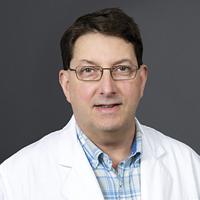
Neurology
Neuromuscular Medicine
Clinical Neurophysiology
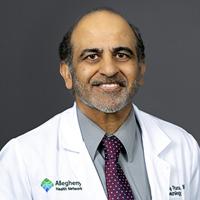
Neurology
Neuromuscular Medicine
Clinical Neurophysiology

Neurology

Neurology
Epilepsy Neurology

Neurology
Clinical Neurophysiology

Neurology
Clinical Neurophysiology

Neuromuscular Medicine

Neuromuscular Medicine
Neurology
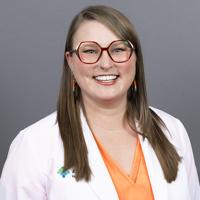
Neurology

Neurology
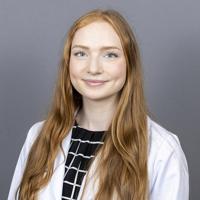
Neurology
Neurology
Headache Medicine
Neurology
How to get care
If you want to be tested for or have been diagnosed with needing to get care from the AHN Neuromuscular Program, we’re here to help.
Schedule your appointment today
AHN Neurology at Allegheny General Hospital
Hemlock Building
320 East North Avenue
Pittsburgh, PA 15212
412-359-8850
AHN Neurology at West Penn Hospital
Mellon Pavilion
4815 Liberty Avenue, Suite 439
Pittsburgh, PA 15224
412-578-3925
AHN Neurology at North Fayette
Health & Wellness Pavilion
200 Quinn Drive, Suite 210
Pittsburgh, PA 15275
412-359-8850
AHN Neurology at Monroeville
3824 Northern Pike, Suite 300
Monroeville, PA 15146
412-856-5335
AHN Neurology at Hempfield Neighborhood Hospital
6321 US 30, Suite 200
Greensburg, PA 15601
412-856-5335
AHN Neurology at Saint Vincent Hospital
Hardner Building
2315 Myrtle Street, Suite L90
Erie, PA 16502
814-452-7575
AHN Neurology at Health + Wellness Pavilion Eastside
4950 Buffalo Road
Erie, PA 16510
814-452-7575
What to expect at your new patient visit
When you receive care at the AHN Neuroscience Institute, you’ll be seen by board-certified neurologists, neurosurgeons, and pain management physicians who can deliver highly specialized treatments using the latest, most advanced technologies. We recommend that you bring a trusted friend or family member to attend any appointment, but we do not recommend taking young children who cannot be left unattended in the waiting rooms.
We encourage you to sign up for AHN MyChart access where you can complete some new patient paperwork and questionnaires through MyChart web portal or MyChart smartphone app.
Plan to arrive at the check in desk about 30 minutes prior to the start of your appointment. That provide enough time for the necessary intake information. Even if you use the e-Check in through MyChart, we ask that you arrive at a check in desk 15 minutes before the start of your appointment to make sure we have your appropriate information.
What to take to your first visit
We recommend that you bring a trusted friend or family member to attend any appointment, but we do not recommend taking young children who cannot be left unattended in the waiting rooms. There are also certain items and paperwork you’ll want to have with you, so our office staff and healthcare team have your necessary information.
Required identification and payment
In order to process your information and start your appointment on time, please bring:
- Insurance cards
- Photo ID
- Copay (no cash accepted)
Medical information and records
Please bring copies of previous medical records, including office visit notes, lab work, hospital stay summaries, and radiology reports from outside health organizations. You’ll also want to have a complete list of medications and supplements, including dosing amounts.
For worker’s compensation or auto claim purposes, please have: date of injury, claim number, billing address, name and phone number of claims adjuster.
Imaging studies (if applicable)
If you have had imaging studies done at outside of Allegheny Health Network imaging locations, you will need to:
- Contact the imaging facility and request a physical disc with the imaging and radiologist report.
- Some sites will require a few days to a week’s notice before you can pick up the disc.
- If you do not have copies of imaging, your initial evaluation will be incomplete, and we may need to schedule additional appointments.
Personal items and equipment (if applicable)
If you will require any personal items or medical equipment — walker, cane, wheelchair, oxygen — that will make your post-procedure care easier, please bring that with.
Clinical trials and research
Our attending staff not only treat with state-of-the-art therapies but conduct clinical trials of newer drugs for these devastating conditions. Primary myopathies due to autoimmune causes as well are our expertise.
What is a clinical trial?
Clinical trials are studies that try to answer questions about new ways to treat conditions with medications, radiation, or surgical techniques. Previous trials have shown how new methods of treatment improve survival and quality of life.
You participate in a clinical trial only if you volunteer to do so and meet criteria for inclusion in the study, and you can stop participating in a trial at any time.
Who can join a clinical trial?
The plan for the trial, called a protocol, explains what the trial will do and how the study will be done. Based on the questions the research is trying to answer, each clinical trial protocol outlines specific criteria necessary to be eligible to join the trial.
Common criteria for entering a trial are:
- Having a certain condition.
- Having received a certain kind of therapy in the past.
- Being in a certain age group.
- Federal rules help ensure that clinical trials are run in an ethical manner, with your rights and safety protected. It’s to ensure that you’re not put at increased risk by participating in the trial, and that the results of the study are accurate and meaningful.
Currently active clinical trials
If you would like to participate in a clinical trial and help our innovative team discover groundbreaking health solutions, ask your doctor if you’re eligible to participate in one. Find currently active clinical trials that are open for participation.
Refer your patient to AHN Neurology
If you have a patient that you would like to refer to AHN Neurology, call 412-359-8850 . Please fax pertinent records to 412-359-6617.
If you have any questions about independent physician referral, read the Independent Physician Referral FAQs.
After referring your patient
Once your patient is receiving care from an AHN specialist, you can view their test results, see their treatment plan, follow their treatment progress, and collaborate with our team using the EpicCare® Link™ platform.
If you are new to EpicCare Link, or need to request your own EpicCare Link account, read: EpicCare Link for Patient Follow-up, for user instructions and new account request forms.
When EpicCare Link is not an option for a patient's AHN medical records
If you can't access your patient's AHN test results through the EpicCare Link platform, your patient will need to complete and submit the correct AHN Medical Records Release form, based on their state of residency. Support your patient's request by downloading the correct medical records release form for them:
EpicCare® is a registered trademark of Epic Systems Corporation and used with permission.
EpicCare® Link™ is a trademark of Epic Systems Corporation and used with permission.