


Learn more about our appointment options, second opinions, locations, referrals, and resources that are at your disposal.

General Neurology Program
About the General Neurology Program
As part of the AHN Neurology Department, the General Neurology Program focuses on collaborative and patient-centered care. A general neurology appointment can be the first step in managing the neurological symptoms and will help coordinate any additional, necessary referral to other subspecialists.
General Neurology Program FAQs
Understanding AHN’s General Neurology Program and what our experts there can provide our patients can help you feel more confident in your care and treatment plan. We aim to provide compassionate, personalized care to help you navigate your neurological health. At AHN, our goal is to listen closely, understand what you’re experiencing, and help you take the next step with confidence. From your first appointment through ongoing care, we’re here to support you with answers, compassion, and a care plan built around your needs.
What is considered general neurology?
General neurology focuses on the diagnosis and treatment of a wide range of conditions affecting the central and peripheral nervous systems. This includes the brain, spinal cord, nerves, and muscles.
It's often the first point of contact for patients experiencing neurological symptoms before you are referred to a specialist in a more specific area of neurology. Our general neurologists are skilled in diagnosing complex conditions and developing effective treatment strategies.
What does general neurology cover?
- Headaches and migraines: This includes tension headaches, cluster headaches, and various types of migraines. We offer comprehensive evaluation and personalized management plans.
- Epilepsy and seizures: Diagnosing and managing seizure disorders. Learn more about epilepsy and seizure care.
- Stroke: Addressing the immediate aftermath of a stroke and long-term recovery, often in collaboration with rehabilitation specialists. Learn more about stroke care.
- Movement disorders: We provide comprehensive testing and treatment for Parkinson's disease, essential tremor, and restless legs syndrome.
- Neuropathies: Our specialists address conditions affecting the peripheral nerves, like diabetic neuropathy or carpal tunnel syndrome.
- Dementia and cognitive disorders: We offer advanced diagnostic and treatment options for Alzheimer's disease and other forms of memory loss.
- Multiple Sclerosis (MS): Our team is dedicated to diagnosing and managing this chronic autoimmune disease that affects the brain and spinal cord. Learn more about MS care.
- Neuromuscular disorders: We specialize in the diagnosis and management of a wide range of neuromuscular disorders, including conditions affecting the nerves and muscles, like myasthenia gravis or muscular dystrophy.
- Dizziness and vertigo: We investigate and treat the underlying causes of dizziness and vertigo, helping patients find relief from balance issues and associated symptoms.
Why choose AHN for general neurology?
Your individualized treatment plan from AHN will always include specialized review from our neurology experts.
- Comprehensive, integrated care: Our neurologists collaborate with other specialists—like radiologists, physical therapists, neurosurgeons, and primary care physicians—providing a seamless and coordinated care experience for you.
- Access to advanced technology and facilities: Our integrated care system includes access to MRI and CT scanners, neurophysiology labs for EEG/EMG and facilities that are crucial for accurate neurological diagnosis and treatment. This provides our patients with strong diagnostic expertise.
- Specialized programs and centers: Our specialized centers for particular neurological conditions can also help including:
- Joseph and Kathleen Guyaux Comprehensive Epilepsy Center: Providing comprehensive diagnostic and treatment options, and our Epilepsy Monitoring Unit (EMU).
- Movement Disorders Program: Focusing on conditions like Parkinson's disease.
- Memory Disorders Program: For cognitive issues and dementia. Even for general neurology, being part of a system with these specialized programs means the general neurologist has easy access to sub-specialty expertise if a patient's condition warrants it.
- ALS Program
- Access to clinical trials: Patients might have opportunities to participate in cutting-edge research and receive new therapies not yet widely available. We can connect patients to advanced programs, research opportunities, and specialty care when needed.
Our approach to care
The general treatment approach in neurology is highly individualized and depends on the specific condition, its severity, and your overall health. Throughout the process, one of our experienced neurologists work with you every step of the way. We provide clear information about your condition, treatment options, and prognosis. We work with other teams, such as physical therapy, imaging, neurosurgeons, etc. to guide your treatment plan so we can coordinate all aspects of care. One of the most important aspects of the care we provide is to support you. Patient-centered care drives our decisions within the AHN General Neurology Program.
Diagnosis
The neurologist will ask about symptoms, their onset, progression, medical history, family history, and perform a thorough physical exam to assess reflexes, coordination, sensation, muscle strength, and cognitive function. We will go over records and screening results that may be from other tests, which are great to bring. Tests to confirm diagnosis can include:
- Imaging: MRI (magnetic resonance imaging) and CT (computed tomography) scans of the brain and spine are frequently used to visualize neurological structures.
- Electrophysiology: EEG (electroencephalogram) for brain activity, evoked potentials, EMG (electromyography) and NCS (nerve conduction studies) for nerve and muscle function. Learn more about EEG.
- Laboratory tests: Blood tests, urine tests, and sometimes cerebrospinal fluid (CSF) analysis (lumbar puncture or a spinal tap) to check for infections, inflammation, genetic markers, or other biochemical abnormalities.
Treatment planning
Based on the diagnosis, your AHN neurologist will develop a personalized, patient-centered treatment plan that is focused on your specific needs and health goals.
Medications
Medications can often be the first step to helping manage symptoms including:
- Pain relievers: Prescribed to alleviate headaches, neuropathic pain, and other pain syndromes that can accompany neurological conditions.
- Anti-seizure medications (AEDs): Essential for controlling and reducing the frequency of seizures in individuals with epilepsy, significantly improving quality of life.
- Immunomodulatory therapies: A cornerstone for managing autoimmune neurological conditions such as Multiple Sclerosis and Myasthenia Gravis. These therapies work by regulating the immune system to slow disease progression and reduce symptom severity.
- Medications for movement disorders: Such as L-Dopa and Carbidopa (commonly known by the brand name Sinemet*) for Parkinson's disease, which help manage motor symptoms and improve daily function. Your AHN neurologist will discuss various options to find the most effective regimen for you.
- Cognitive enhancers: For certain forms of dementia, these medications can help improve or stabilize cognitive functions like memory and thinking.
Rehabilitation therapies
Lifestyle modifications can also help manage symptoms including:
- Diet and exercise: Engaging in regular physical activity and maintaining a balanced, nutritious diet are fundamental for promoting overall neurological health. These practices can play a significant role in stroke prevention, managing the frequency and severity of migraines, and improving energy levels across various conditions. AHN often provides access to registered dietitians and exercise physiologists to help you create a sustainable plan.
- Stress management: Chronic stress can exacerbate many neurological symptoms. Techniques such as mindfulness, yoga, meditation, and guided relaxation can be incredibly beneficial in reducing stress, improving mood, and helping you cope more effectively with your condition.
- Good sleep habits: Prioritizing consistent, high-quality sleep is crucial for optimal brain function, cognitive performance, and mood regulation. Your neurologist may offer guidance on sleep hygiene or refer you to sleep specialists if sleep disturbances are a significant concern.
Rehabilitation therapies may help in more complicated symptoms including:
- Physical therapy (PT): Our expert physical therapists design individualized programs to improve strength, balance, coordination, and mobility. This is especially vital for recovery after a stroke, managing symptoms of movement disorders, addressing issues like pinched nerves (e.g., sciatica), and improving balance and stability for those with neuropathy. Regular PT can significantly enhance your ability to perform daily activities.
- Occupational therapy (OT): Occupational therapists focus on helping patients adapt to and successfully perform daily activities. They provide strategies and tools to improve fine motor skills, address challenges with self-care, work, and leisure activities, and adapt your home or work environment to better suit your needs.
- Speech-language pathology (SLP): Our speech-language pathologists assist with a wide range of communication, swallowing, and cognitive difficulties that can arise from neurological conditions. This includes therapy for speech articulation, language comprehension and expression, voice disorders, and safe swallowing techniques.
- Cognitive rehabilitation: This specialized therapy is designed to address impairments in memory, attention, executive functions (like planning and problem-solving), and other cognitive skills. Therapists use targeted exercises and strategies to help you improve these functions and develop compensatory techniques for daily living.
While neurologists primarily manage conditions medically, they work hand-in-hand with neurosurgeons for conditions that might ultimately require surgical intervention, ensuring every non-surgical option is thoroughly explored first. We understand that navigating neurological conditions often requires dedicated, long-term management, and you are not alone in this journey. Your neurologist will be a partner, regularly monitoring your response to treatment, gently adjusting medications or therapies as needed, and compassionately addressing any new symptoms or concerns that may arise, always with your well-being at the heart of their care.
*
Sinemet brand name is owned by Organon, a global pharmaceutical company.
Neurology specialists
AHN neurology specialists have years of clinical experience in diagnosing and treating a wide range of neurological issues and conditions. Our team uses the latest evidenced-based treatments and therapies to help our patients get the personalized care they need and deserve. Using a supportive and nurturing approach, we work with you so you feel more comfortable and confident in your care plan.
General neurology
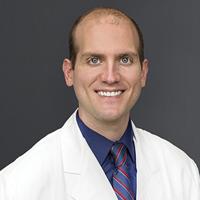
Clinical Neurophysiologist
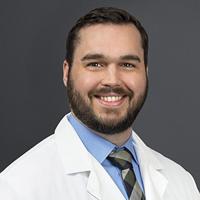
Clinical Neurophysiologist
Advanced Practice Providers
What to expect at your new patient visit
When you receive care at the AHN, you’ll be seen by board-certified neurologists, neurosurgeons, and pain management physicians who can deliver highly specialized treatments using the latest, most advanced technologies. We recommend that you bring a trusted friend or family member to attend any appointment, but we do not recommend taking young children who cannot be left unattended in the waiting rooms.
We encourage you to sign up for AHN MyChart access where you can complete some new patient paperwork and questionnaires through MyChart web portal or MyChart smartphone app
Plan to arrive at the check in desk about 30 minutes prior to the start of your appointment. That provide enough time for the necessary intake information. Even if you use the e-Check in through MyChart, we ask that you arrive at a check in desk 15 minutes before the start of your appointment to make sure we have your appropriate information.
What to take to your first visit
We recommend that you bring a trusted friend or family member to attend any appointment, but we do not recommend taking young children who cannot be left unattended in the waiting rooms. There are also certain items and paperwork you’ll want to have with you, so our office staff and healthcare team have your necessary information.
Required identification and payment
In order to process your information and start your appointment on time, please bring:
- Insurance cards
- Photo ID
- Copay (no cash accepted)
Medical information and records
Please bring copies of previous medical records, including office visit notes, lab work, hospital stay summaries, and radiology reports from outside health organizations. You’ll also want to have a complete list of medications and supplements, including dosing amounts.
For worker’s compensation or auto claim purposes, please have: date of injury, claim number, billing address, name and phone number of claims adjuster.
Imaging studies (if applicable)
If you have had imaging studies done at outside of Allegheny Health Network imaging locations, you will need to:
- Contact the imaging facility and request a physical disc with the imaging and radiologist report.
- Some sites will require a few days to a week’s notice before you can pick up the disc.
- If you do not have copies of imaging, your initial evaluation will be incomplete, and we may need to schedule additional appointments.
Personal items and equipment (if applicable)
If you will require any personal items or medical equipment — walker, cane, wheelchair, oxygen — that will make your post-procedure care easier, please bring that with you.
Clinical trials and research
At AHN, we are not only dedicated to providing the best neurology care but also to shaping the future of stroke treatment. Our Neurology Program is actively involved in groundbreaking research and clinical trials, offering eligible patients access to innovative therapies and interventions that are not yet widely available.
What is a clinical trial?
Clinical trials are studies that try to answer questions about new ways to treat conditions with medications, radiation, or surgical techniques. Previous trials have shown how new methods of treatment improve survival and quality of life.
You participate in a clinical trial only if you volunteer to do so and meet criteria for inclusion in the study, and you can stop participating in a trial at any time.
Who can join a clinical trial?
The plan for the trial, called a protocol, explains what the trial will do and how the study will be done. Based on the questions the research is trying to answer, each clinical trial protocol outlines specific criteria necessary to be eligible to join the trial. Common criteria for entering a trial are:
- Having a certain condition.
- Having received a certain kind of therapy in the past.
- Being in a certain age group.
- Federal rules help ensure that clinical trials are run in an ethical manner, with your rights and safety protected. It’s to ensure that you’re not put at increased risk by participating in the trial, and that the results of the study are accurate and meaningful.
Currently active clinical trials
If you would like to participate in a clinical trial and help our innovative team discover groundbreaking health solutions, ask your doctor if you’re eligible to participate in one. Find currently active clinical trials that are open for participation.
Refer your patient to AHN Neurology
If you have a patient that you would like to refer to AHN Neurology, call 412-359-8850. Please fax pertinent records to 412-359-6617.
If you have any questions about independent physician referral, read the Independent Physician Referral FAQs.
After referring your patient
Once your patient is receiving care from an AHN specialist, you can view their test results, see their treatment plan, follow their treatment progress, and collaborate with our team using the EpicCare® Link™ platform.
If you are new to EpicCare Link, or need to request your own EpicCare Link account, read: EpicCare Link for Patient Follow-up, for user instructions and new account request forms.
When EpicCare Link is not an option for a patient's AHN medical records
If you can't access your patient's AHN test results through the EpicCare Link platform, your patient will need to complete and submit the correct AHN Medical Records Release form, based on their state of residency. Support your patient's request by downloading the correct medical records release form for them:
EpicCare® is a registered trademark of Epic Systems Corporation and used with permission.
EpicCare® Link™ is a trademark of Epic Systems Corporation and used with permission.