

Learn more about our appointment options, second opinions, locations, referrals, and resources that are at your disposal.

Neurosurgery Department
About the Neurosurgery Department
The AHN Neurosurgery Department is dedicated to improving our patients’ lives. This patient-centered approach leads every decision we make. Using advanced treatment options, our renowned neurosurgeons have pioneered novel therapies using cutting-edge techniques and equipment to positively change lives. We operate in a team-based approach to identify the best course of treatment for our patients that considers their overall health.
Prior to coming to AHN, patients often have anxiety or fear regarding their options. Our dedicated team is here listen, learn, and educate about your choices. From diagnosis through treatment and to recovery, we are with you every step of the way to deliver the best health outcomes possible.
You’ll benefit from physicians dedicated to developing new treatments, integrative multidisciplinary clinics, and participation in advanced clinical trials. Our experienced team of board-certified experts include neurosurgery and pain management specialists. They collaborate on diagnosing and treating complex neurosurgical conditions.
Our Neurosurgery Department Divisions and Centers
At AHN, our Neurosurgery Department, divisions, programs, and various centers work collaboratively so you can experience traditional and minimally invasive, when possible, approaches for brain, spine, nerve, and vascular conditions. The AHN experts in functional neurosurgery are at the forefront of innovation in deep brain stimulation to control and monitor symptoms of Parkinson’s disease, essential tremor, dystonia, and other movement disorders. Our neurosurgeons are also leaders and pioneers in performing the neurosurgical procedure microvascular decompression, including with endoscopic approaches, to treat facial pain caused by trigeminal neuralgia — just another testament to the innovative care found at AHN.
AHN Neurosurgery Department works closely with other divisions, centers, clinics, and programs, including:
- AHN Adult Hydrocephalus Center: Dedicated to the diagnosis and treatment of hydrocephalus in adults, this center addresses the abnormal buildup of cerebrospinal fluid in the brain. Learn more about the AHN Adult Hydrocephalus Center.
- AHN Cahouet Center for Comprehensive Parkinson’s Care: Individuals living with Parkinson's disease receive specialized and holistic care at this center, which offers advanced diagnostics, medical management, and supportive therapies. Learn more about the AHN Cahouet Center for Comprehensive Parkinson’s Care.
- AHN Comprehensive Vivistim Clinic: This clinic assists patients in recovering and regaining function after neurological events such as chronic stroke using vagus nerve stimulation. Learn more about the AHN Comprehensive Vivistim Clinic.
- AHN Joseph and Kathleen Guyaux Comprehensive Epilepsy Center: Providing comprehensive diagnosis and treatment for epilepsy and seizure disorders, this center offers advanced evaluations, personalized medication plans, and surgical options. Learn more about the AHN Joseph and Kathleen Guyaux Comprehensive Epilepsy Center.
- AHN Movement Disorders Program: Expert care is provided through this program for a range of neurological conditions affecting movement, including tremors, dystonia, and ataxia. Learn more about the AHN Movement Disorders Program.
- AHN Myasthenia Gravis Clinic: Specializing in the diagnosis and ongoing management of Myasthenia Gravis, this clinic addresses the chronic autoimmune neuromuscular disease causing muscle weakness. Learn more about the AHN Myasthenia Gravis Clinic.
- AHN Neuro Interventional Multi-Specialty Division: Utilizing minimally invasive, image-guided techniques, this division diagnoses and treats complex conditions of the brain, spine, and nervous system, such as strokes, aneurysms, and vascular malformations. Learn more about the AHN Neuro Interventional Multi-Specialty Division.
- AHN Neuro-Oncology Multi-Disciplinary Clinic: Patients with tumors of the brain and spine benefit from integrated and coordinated care at this clinic, which brings together a team of specialists to develop personalized treatment plans Learn more about the Neuro-Oncology Multi-Disciplinary Clinic.
- AHN Neuro-Oncology Center of Excellence: Advanced and comprehensive care for patients with brain and spinal cord tumors is delivered by this center, offering state-of-the-art diagnostics, treatments, and clinical trials. Learn more about the AHN Neuro-Oncology Center of Excellence.
- AHN Pain Management Division: This division evaluates and treats chronic and acute pain conditions across various parts of the body, including back pain, neuropathic pain, and headaches. Learn more about the AHN Pain Management Division.
- AHN Pituitary Center: The center specializes in diagnosing and treating disorders affecting the pituitary gland, a vital gland controlling many bodily functions. They manage conditions such as pituitary tumors, hormone imbalances, and related neurological issues. Learn more about the AHN Pituitary Center.
- AHN Spine Center (Division of Spine): The spine center offers comprehensive care for a wide array of spinal conditions, from common back and neck pain to complex disorders and injuries. Learn more about the AHN Spine Center.
- AHN Stroke Centers: These centers offer rapid and specialized care for individuals experiencing a stroke, prioritizing immediate intervention, advanced diagnostics, and comprehensive rehabilitation. Their goal is to minimize stroke damage and facilitate recovery through a coordinated team approach. Learn more about the AHN Stroke Centers.
- Allegheny Neuro Technology Innovation Center (ANTIC): Advancing neurological care through research, development, and implementation of cutting-edge technologies and innovative treatments is the core mission of this center. They focus on exploring new solutions to improve diagnosis, treatment, and patient outcomes for neurological disorders. Learn more about the Allegheny Neuro Technology Innovation Center (ANTIC).
Why choose AHN for neurosurgery?
Choosing AHN for neurosurgery means entrusting your care to a leading neurosurgery team known for its integrated approach, advanced technology, and multidisciplinary expertise. We have highly skilled neurosurgeons, state-of-the-art facilities, and comprehensive support services, that delivers personalized and effective treatment for even the most complex neurological conditions. We are committed to providing a patient-centered approach and are committed to your entire care journey from diagnosis to recovery. Our program offers:
- Functional neurosurgery
- Neurovascular condition interventions
- Neuro-oncology
- Specialized cerebrovascular care
- Innovative treatments for epilepsy
- Pioneering advanced surgical interventions
- Targeted pain relief
Awards and recognition
The AHN Neurosurgery Department is proud of our awards and recognition, but what we are most proud of is our dedication to patient-centered care and the difference our multidisciplinary provides our patients.
Spine and back surgery Gold Seal of Approval
AHN’s Allegheny General Hospital is the first hospital in Pennsylvania to have earned the Joint Commission's Gold Seal of Approval® for Advanced Certification in Spine Surgery1, recognizing its commitment to safe, high-quality patient care and continuous compliance with rigorous performance standards. Allegheny General Hospital is the only facility in the state to have received this designation. The Joint Commission is an independent, nonprofit organization that evaluates and accredits health care organizations nationwide.
Nationally recognized stroke treatment
Our Joint Commission-certified stroke centers, staffed with stroke-trained neurologists, offer two levels of advanced care at seven hospitals in western Pennsylvania.
Multidisciplinary brain tumor clinic
We are one of the only integrated neuro-oncology programs in the country featuring a multidisciplinary brain tumor clinic, where multiple specialists see patients at the same time, ensuring timely treatment and reducing appointment travel.
AHN Neurosurgery Department FAQ
Neurosurgery is a encompasses a wide variety of specialties, skills and treatments. We are here to help you understand the care you will receive, so you can feel confident in your care plan.
What does a neurosurgeon do?
A neurosurgeon is a medical doctor who specializes in the diagnosis and surgical treatment of disorders affecting the brain, spinal cord, and peripheral nerves. This can involve a wide range of conditions, from brain tumors and spinal cord injuries to nerve compression and chronic pain.
Becoming a neurosurgeon requires extensive and rigorous training. In total, it can take 14 to 18 years of post-high school education and training to become a fully qualified neurosurgeon. After earning an undergraduate degree, neurosurgeons complete medical school and then a residency program for six to eight years. After residency, some neurosurgeons pursue an additional one to two years of fellowship training to specialize further in areas such as:
- Spinal neurosurgery
- Pediatric neurosurgery
- Vascular neurosurgery
- Neuro-oncology
- Functional neurosurgery
After completing residency, neurosurgeons must pass rigorous written and oral examinations administered by the American Board of Neurological Surgery (ABNS) to become board-certified. This demonstrates their expertise and commitment to the highest standards of care.
What is the difference between a neurologist vs a neurosurgeon?
A neurologist is a doctor who helps people with problems of the brain, spinal cord, and nerves. Using physical exams, cognitive tests, and medical imaging they determine what’s affecting their patient and treat the condition or issue using medicine or other therapies. Neurologists don’t perform surgery. They help with things like headaches, seizures, and diseases that make it hard to move or think clearly.
A neurosurgeon is a specialized doctor who performs operations on the brain, spinal cord, and nerves. If there's a serious problem like a tumor, a bad injury, or something that needs to be fixed inside, they are the ones who do the surgery. They are highly skilled at fixing complicated issues with your nervous system. They work to fix problems that medicine alone can't solve.
What is neurosurgery?
Neurosurgery is the medical specialty focused on the surgical treatment of conditions affecting the entire nervous system. This includes the brain, spinal cord, and all the nerves that extend throughout the body. Neurosurgeons perform delicate operations to fix problems like tumors, injuries, and diseases, often using advanced tools and techniques. Their goal is to relieve symptoms, improve function, or save lives by surgically correcting issues within this complex system.
Neurological surgery
Neurological surgery at AHN is about providing highly specialized care for conditions affecting your brain, spine, and nervous system, offering solutions when other treatments aren't enough. Our expert neurosurgeons are not just performing procedures; they're dedicated to understanding your unique situation, carefully evaluating your symptoms, and working with you and your family to determine if surgery is the most effective path to improve your health and quality of life. We're here to guide you through every step, addressing your anxieties and ensuring you receive the most advanced and compassionate care tailored just for you.
Minimally invasive neurosurgery
Surgery on the brain and spine requires expert precision. At AHN Neuroscience, our renowned neurosurgeons have extensive experience using innovative, minimally invasive, and neuroendoscopy neurosurgery, which uses endoscopic instruments to place a catheter through an artery in the wrist or groin to reach brain blood vessels, to treat a range of conditions affecting the brain and spine. Our neurosurgeons have dedicated their professional lives to treating a wide variety of symptoms and conditions using both traditional and novel procedures. They always have your best long-term health in mind and will make a determination on your care based solely on your needs. The hope is to use minimally invasive neurosurgery when possible.
This less invasive approach to surgery provides a high level of effectiveness and comfort. It often provides better outcomes and symptom relief than more traditional surgical approaches, while letting you get back to your life sooner after surgery.
AHN physicians are at the forefront of using advanced neurosurgeries that treat complex spine and brain conditions. In these minimally invasive procedures, neurosurgeons use specialized instruments to perform intricate surgeries, making only tiny incisions. Our highly trained neurosurgeons perform these minimally invasive procedures in AHN’s sophisticated operating suites.
AHN has one of the highest volumes of minimally invasive neurosurgery procedures in the country, giving our team a deep expertise that leads to exceptional outcomes for patients. Learn more about minimally invasive brain surgery and minimally invasive spine and back surgery.
Benefits of minimally invasive neurosurgery at AHN
When patients come to AHN for minimally invasive neurosurgery, they benefit from:
- Our expertise: AHN’s neurosurgeons are among the most experienced in the country. With the aid of robotics and other precision technologies, our neurosurgeons can safely and effectively perform complex spine and brain surgeries.
- Personalized treatment plans: Physicians with different areas of expertise consult on your care to develop a treatment plan that’s specific to your needs.
- Advanced technology: Minimally invasive surgeries use precise, innovative equipment that lead to more effective treatment. When performing brain surgery, the specialized equipment allows our surgeons to remove the area of concern without harming healthy tissue. In spine surgery, advanced robotics technology locates the exact source and location of your pain, providing lasting pain relief.
- An easier recovery: After minimally invasive procedures, patients go home sooner than they would after a traditional surgery. Many patients experience less pain and discomfort from surgery, with minimal or no scarring.
Spine surgery
Spine surgery is a highly specialized procedure that the experts at AHN have vast experience in performing. We use spine surgery to treat spine conditions such as herniated disc, spinal stenosis, degenerative disc disease, sciatica and spinal tumors, Using the most advanced techniques, we treat spinal conditions safely, precisely, and with little disruption to patients’ lives. Some of the technology used to perform spinal surgery at AHN include:
- Mazor X™2: AHN was the first health system in the region to use Mazor X™ robotic technology. Mazor X is an advanced robotic system used in spine surgery that helps surgeons plan and perform operations with incredible precision. Learn more about Mazor X spine surgery.
- OsteoCool™3: OsteoCool is a minimally invasive treatment for painful tumors in the spine. A doctor inserts a small, specialized probe into the tumor. This probe then uses radiofrequency energy to create a cooling effect, essentially freezing and destroying the tumor cells, which can significantly reduce tumor-related pain. Learn more about OsteoCool.
Brain surgery
Brain surgery at AHN is performed by our neurosurgical team that provides highly specialized and compassionate care for a wide range of brain and nervous system conditions. We treat brain conditions such as traumatic brain injury (TBI) and epilepsy. When neurological challenges require surgical intervention, you'll find trusted specialists dedicated to understanding your unique needs. Treatment may include endovascular or open surgical options depending on the patient. We meticulously evaluate your symptoms and treatment options, then partner with you to determine the best path forward, ensuring you receive exceptional, tailored care. This dedication extends to care for cerebrovascular conditions such as brain aneurysms, arteriovenous malformations, stroke-related conditions, and carotid artery stenosis. To do this work, we use some of the most advanced technology available. This includes:
- Modus V: AHN was one of the first health systems to utilize Modus V™, a robotic operating system that magnifies and illuminates the surgical area. This allows our surgeons to remove tumors with enhanced precision while preserving more surrounding healthy tissue. Learn more about Modus V.
- GammaTile Brachytherapy4: We are proud to be the first in Pennsylvania and the only center in the region to offer GammaTile Brachytherapy. This cutting-edge treatment uses tiny, embedded radiation tiles to deliver targeted radiation therapy directly to brain tumor sites while patients are recovering from surgery, often minimizing the need for extensive travel for additional treatments. Learn more about GammaTile Brachytherapy.
- Deep brain stimulation (DBS): For certain neurological conditions like Parkinson's disease or essential tremor, our team offers Deep Brain Stimulation, a procedure that involves implanting a device to send electrical impulses to specific brain areas to help control symptoms. Learn more about DBS.
- ROSA ONETM (robotic surgical assistant)5: Our surgeons also use ROSA ONE, a robotic surgical assistant, to enhance precision and improve outcomes in various brain procedures.
Most commonly treated conditions with surgery
We address a wide array of conditions affecting the brain, spine, and nervous system that may benefit from surgical intervention. Below, you'll find an overview of the most common conditions we treat, grouped by category. If you'd like a more comprehensive list of the conditions we treat, please view the full overview of our neuroscience conditions.
Brain, skull base, and pituitary conditions
We are deeply committed to providing precise and specialized care for complex conditions affecting the brain, skull base, and pituitary gland. Our team combines expertise with advanced techniques to address these intricate disorders, offering hope and effective treatment options.
- Acromegaly: This is a rare hormonal disorder caused by too much growth hormone in the body, often due to a pituitary tumor. It can lead to an enlargement of bones and soft tissues, particularly in the hands, feet, and face. Learn more about acromegaly.
- Cushing's Syndrome: A condition characterized by prolonged exposure to high levels of cortisol, Cushing's Syndrome can result from various causes, including tumors of the pituitary or adrenal glands. Symptoms can range from weight gain and fatigue to high blood pressure and muscle weakness. Learn more about Cushing's Syndrome.
- Pituitary disorders: These encompass a range of conditions affecting the pituitary gland, a small but vital gland at the base of the brain that controls many hormones. Problems can lead to an over- or under-production of hormones, impacting growth, metabolism, and reproduction. Learn more about pituitary disorders.
- Pituitary tumors: Abnormal growths on the pituitary gland, these tumors can either secrete excessive hormones or grow large enough to press on nearby brain structures. While many are benign, they can cause significant health issues requiring careful management. Learn more about pituitary tumors.
- Radiation necrosis: This condition refers to the damage and death of healthy brain tissue that can occur as a delayed side effect of radiation therapy for brain tumors. It can cause new or worsening neurological symptoms and requires careful diagnosis and treatment. Learn more about radiation necrosis.
Cerebrovascular and stroke conditions
Our team at AHN boasts exceptional expertise and employs cutting-edge treatments for a full spectrum of cerebrovascular and stroke conditions. We are dedicated to delivering timely, effective interventions to protect brain health and improve patient outcomes.
- Arteriovenous malformation: An AVM is an abnormal tangle of blood vessels that bypasses the normal capillary system, creating a direct connection between arteries and veins in the brain or spine. This can disrupt normal blood flow and potentially lead to bleeding. Learn more about arteriovenous malformation.
- Brain aneurysm: This is a bulge or ballooning in a blood vessel in the brain, which can weaken the vessel wall and potentially rupture, leading to a life-threatening brain hemorrhage. Early detection and treatment are crucial. Learn more about brain aneurysm.
- Carotid artery stenosis: A narrowing of the carotid arteries, located in the neck, which supply blood to the brain, is known as carotid artery stenosis. This condition is often caused by plaque buildup and can significantly increase the risk of stroke. Learn more about carotid artery stenosis.
- Cerebrovascular disease: This broad category includes any condition that affects blood flow to the brain, such as stroke, carotid artery stenosis, and aneurysms. Impaired blood flow can lead to brain damage and neurological deficits. Learn more about cerebrovascular disease.
- Stroke: Occurring when blood flow to a part of the brain is interrupted or severely reduced, stroke deprives brain tissue of oxygen and nutrients, causing brain cells to die. Learn more about stroke.
Spine and spinal cord conditions
We offer comprehensive, advanced care for a wide array of complex spine and spinal cord conditions. Our specialists are dedicated to relieving pain, restoring function, and improving the overall well-being of our patients.
- Back and neck pain: A common complaint, chronic back and neck pain can stem from various issues including disc problems, arthritis, nerve compression, or injuries. Our team provides thorough diagnosis and personalized treatment plans to alleviate discomfort. Learn more about back and neck pain.
- Spinal tumors: These are abnormal growths that can develop inside or outside the spinal cord, or in the bones of the spine. Spinal tumors can compress nerves, cause pain, and lead to neurological dysfunction, requiring careful assessment and treatment. Learn more about spinal tumors.
Movement disorders and spasticity
AHN is dedicated to offering innovative and personalized care for individuals living with movement disorders and spasticity. Our comprehensive approach helps patients manage challenging symptoms and improve their daily quality of life.
- Dystonia: Characterized by involuntary, sustained muscle contractions that cause repetitive or twisting movements and abnormal postures, dystonia can affect various parts of the body. Its severity can range from mild to disabling. Learn more about dystonia.
- Essential tremor: This is a common neurological disorder that causes involuntary, rhythmic shaking, most often affecting the hands. Unlike Parkinson's tremor, essential tremor usually occurs during movement. Learn more about essential tremor.
- Movement Disorders: This is a group of neurological conditions that cause abnormal increased or reduced voluntary and involuntary movements. Examples include Parkinson's disease, dystonia, and essential tremor, each presenting unique challenges. Learn more about movement disorders.
- Parkinson's Disease: A progressive neurodegenerative disorder, Parkinson's Disease primarily affects dopamine-producing neurons in the brain, leading to symptoms like tremor, rigidity, slow movement, and impaired balance. Management focuses on symptom control and improving quality of life. Learn more about Parkinson's Disease.
- Spasticity: This condition refers to a state of increased muscle tone, stiffness, and involuntary muscle spasms that can make movement difficult and painful. It often results from damage to the brain or spinal cord, such as from stroke, multiple sclerosis, or cerebral palsy. Learn more about spasticity.
Nerve and cranial nerve disorders
Our dedicated team at AHN provides advanced care for the full spectrum of nerve and cranial nerve disorders. We aim to diagnose accurately and treat effectively, helping patients regain comfort and function.
- Cranial nerve disorders: These conditions affect one or more of the twelve pairs of nerves that emerge directly from the brain, impacting functions like vision, hearing, smell, taste, and facial movement. They can cause a wide range of symptoms depending on the affected nerve. Learn more about cranial nerve disorders.
- Hemifacial spasm: This is a neuromuscular disorder characterized by involuntary twitching or contraction of the muscles on one side of the face. It's often caused by a blood vessel pressing on the facial nerve. Learn more about hemifacial spasm.
- Myasthenia Gravis: A chronic autoimmune disease, Myasthenia Gravis causes fluctuating muscle weakness that worsens with activity and improves with rest. It specifically affects the communication between nerves and voluntary muscles. Learn more about Myasthenia Gravis.
- Trigeminal neuralgia: Considered one of the most painful conditions, trigeminal neuralgia causes sudden, severe, shock-like facial pain, usually on one side. It typically affects the trigeminal nerve, which carries sensation from the face to the brain. Learn more about trigeminal neuralgia.
Epilepsy and hydrocephalus
At AHN, we understand the intricate challenges each patient faces when dealing with epilepsy and hydrocephalus, and we offer personalized care to address these complex conditions. Our goal is to improve seizure control, manage fluid dynamics, and enhance overall neurological health.
- Adult Hydrocephalus: This condition involves an abnormal buildup of cerebrospinal fluid within the brain's ventricles in adults, leading to increased pressure. Symptoms can include headaches, cognitive difficulties, and problems with balance and walking. Learn more about adult hydrocephalus.
- Epilepsy: Characterized by recurrent, unprovoked seizures, epilepsy is a neurological disorder resulting from abnormal electrical activity in the brain. Effective management aims to control seizures and improve quality of life. Learn more about epilepsy.
Trauma and brain injury
Our dedication to delivering expert, compassionate care is paramount for patients experiencing trauma and brain injury at AHN. We guide patients through every stage of recovery, providing specialized interventions to optimize their healing journey.
- Neurotrauma: This refers to any injury to the brain, spinal cord, or peripheral nerves resulting from an external force. Neurotrauma can range from mild concussions to severe, life-threatening injuries, often requiring immediate and specialized medical attention. Learn more about neurotrauma.
- Traumatic brain injury (TBI): A TBI is a complex injury to the brain caused by a sudden blow, jolt, or penetrating head injury that disrupts normal brain function. The severity can vary, leading to a wide range of physical, cognitive, and psychological effects. Learn more about traumatic brain injury (TBI).
¹
The Joint Commission Gold Seal of Approval is a registered trademark of the Joint Commission enterprise.
²
Mazor X™ is a trademark of Medtronic, Inc. and is used with Permission.
⁵
GammaTile Brachytherapy® is a registered trademark of GT Medical Technologies, Inc.
⁶
ROSA ONE® Brain is a registered trademark of Zimmer Biomet and is used with permission.
Neurosurgery Department specialists
You can rely on the AHN Neurosurgery Department specialists to provide you support throughout your entire care journey. The neurosurgery department is comprised of dedicated, experienced specialists who are committed to delivering advanced treatment options through a multidisciplinary approach. This means experts are working together so you get the care and support you need for neurological conditions. From your first consultation through treatment using state-of-the-art technology to recovery, we are here to provide patient-centered care and support.
Neurosurgery
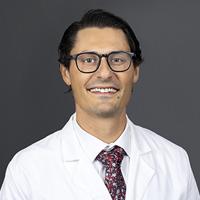
Neurosurgeon
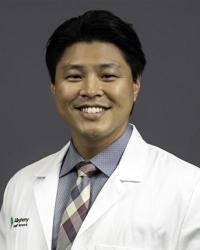
Neurosurgeon
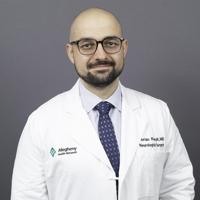
Neurosurgeon
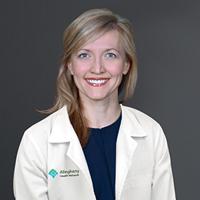
Neurosurgeon
Neurosurgeon

Neurosurgeon
Neurosurgery, Epilepsy Surgery
Neurosurgeon
Use Find Care for a full list of epilepsy surgeons.
Neurosurgery, Functional Neurosurgery
Neurosurgeon
Use Find Care for a full list of functional neurosurgeons.
Neurosurgery, Functional Neurosurgery, Neurocritical Care
Neurosurgeon
Use Find Care for a full list of functional neurosurgeons, neurocritical care.
Neurosurgery

Neurosurgeon
Use Find Care for a full list of neurosurgery, interventional neuroradiologists.
Neurosurgery, Interventional Neuroradiology, Vascular Neurosurgery
Neurosurgeon
Use Find Care for a full list of interventional neuroradiology, vascular neurosurgeons.
Neurosurgery, Neuro-Oncology
Neurosurgeon
Use Find Care for a full list of neurosurgery, neuro-oncologists.
Neurosurgery, Spine Surgery
Neurosurgeon
Neurosurgeon
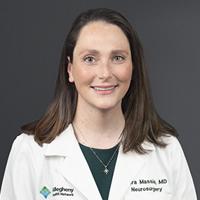
Neurosurgeon
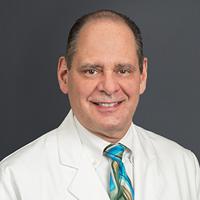
Neurosurgeon
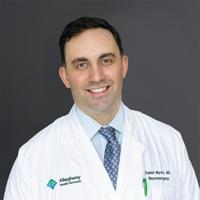
Neurosurgeon

Neurosurgeon
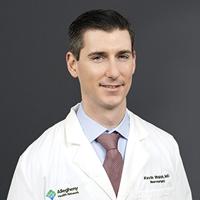
Neurosurgeon
Neurosurgeon
Neurosurgeon
Use Find Care for a full list of neurosurgery, spine surgeons.
Neurosurgery, Spine Surgery, Functional Neurosurgery
Neurosurgeon
Use Find Care for a full list of neurosurgery, spine surgery, functional neurosurgeons.
Interventional Neuroradiology

Neurosurgeon
Neurosurgeon
Use Find Care for a full list of interventional neuroradiologists.
Schedule your appointment today
Our locations are throughout Pennsylvania, so you can find the care you need closer to home.
- In greater Pittsburgh area: 412-359-6200
- In Erie, PA area: 814-452-7575
Find us
Central Pittsburgh area
AHN Neurosurgery at Allegheny General Hospital
Hemlock Building
320 East North Avenue
Pittsburgh, PA 15212
GET DIRECTIONS
AHN Neurosurgery at Wexford Health & Wellness Pavilion
12311 Perry Highway, Suite 200
Wexford, PA 15090
GET DIRECTIONS
AHN Neurosurgery at West Penn Hospital
Mellon Pavilion
4815 Liberty Avenue, Suite 439
Pittsburgh, PA 15224
GET DIRECTIONS
East of Pittsburgh area
AHN Neurosurgery at Forbes Medical Office Building 2
2580 Haymaker Road, Suite 102
Monroeville, PA 15146
GET DIRECTIONS
AHN Neurosurgery at Hempfield Neighborhood Hospital
Outpatient Center, Suite 200
6321 Route 30 Greensburg, PA 15601
GET DIRECTIONS
North and West of Pittsburgh area
AHN Neurosurgery at Grove City Medical Center
647 North Broad Street Extension
Grove City, PA 16127
GET DIRECTIONS
AHN Neurosurgery Sewickley
Sewickley Professional Office Building
720 Blackburn Road
Sewickley, PA 15143
GET DIRECTIONS
AHN Neurosurgery at Health + Wellness Pavilion North Fayette
200 Quinn Drive, Suite 210
Pittsburgh, PA 15275
GET DIRECTIONS
South of Pittsburgh area
AHN Neurosurgery Washington
400 Locust Avenue, Suite 102
Washington, PA 15301
GET DIRECTIONS
AHN Neurosurgery - Saint Clair
St. Clair Hospital Professional Office Building
1050 Bower Hill Road, Suite 308
Pittsburgh, PA 15243
GET DIRECTIONS
AHN Neurosurgery at Jefferson Medical Office Building
575 Coal Valley Rd, Suite 464
Jefferson Hills, PA 15025
GET DIRECTIONS
AHN Neurosurgery at Uniontown
80 Matthew Drive, Suite 3001
Uniontown, PA 15401
GET DIRECTIONS
Erie area
AHN Neurosurgery at Hardner Building
2315 Myrtle Street, Suite L90
Erie, PA 16502
GET DIRECTIONS
AHN Neurosurgery at Saint Vincent Professional Building
311 West 24th Street, Suite 302
Erie, PA 16502
GET DIRECTIONS
What to expect at your new patient visit
When you receive care that AHN Neuroscience, you’re working with board-certified neurologists, neurosurgeons, and pain management physicians who can deliver highly specialized treatments using the latest, most advanced technologies. We recommend that you bring a trusted friend or family member to attend any appointment, but we do not recommend taking young children who cannot be left unattended in the waiting rooms.
We encourage you to sign up for AHN MyChart access where you can complete some new patient paperwork and questionnaires through MyChart web portal or MyChart smartphone app.
Plan to arrive at the check in desk about 30 minutes prior to the start of your appointment. That provides enough time for the necessary intake information. Even if you use the e-Check in through MyChart, we ask that you arrive at a check in desk 15 minutes before the start of your appointment to make sure we have your appropriate information.
What to take to your first visit
We recommend that you bring a trusted friend or family member to attend any appointment, but we do not recommend taking young children who cannot be left unattended in the waiting rooms. There are also certain items and paperwork you’ll want to have with you, so our office staff and healthcare team have your necessary information.
Required identification and payment
In order to process your information and start your appointment on time, please bring:
- Insurance cards
- Photo ID
- Copay (no cash accepted)
Medical information and records
Please bring copies of previous medical records, including office visit notes, lab work, hospital stay summaries, and radiology reports from outside health organizations. You’ll also want to have a complete list of medications and supplements, including dosing amounts.
For worker’s compensation or auto claim purposes, please have: date of injury, claim number, billing address, name and phone number of claims adjuster.
Imaging studies (if applicable)
If you have had imaging studies done outside of Allegheny Health Network imaging locations, you will need to:
- Contact the imaging facility and request a physical disc with the imaging and Radiologist report.
- Some sites will require a few days to a week’s notice before you can pick up the disc.
- If you do not have copies of imaging, your initial evaluation will be incomplete, and we may need to schedule additional appointments.
Personal items and equipment (if applicable)
If you will require any personal items or medical equipment — walker, cane, wheelchair, oxygen — that will make your post-procedure care easier, please bring that with you.
Clinical trials and research
In order to advance the state-of-the-art approaches we use, the Neuroscience Research Center consistently examines upcoming and emerging treatment options, so our patients can access new approaches, participate in clinical trials, and find options to meet their needs. We also are active in:
- Allegheny Neurotechnology Innovation Center (ANTIC): Advances brain research by combining clinical neuroscience, engineering, data science and neurotechnology to improve care and surgical decision-making for people with epilepsy and other functional neurological conditions. Learn more about the innovation center.
- Center for Surgical Arts (CSA): A hands-on surgical and anatomy teaching lab with cadaver lab space, training stations, imaging technology and conference capabilities that support advanced education across multiple specialties. Learn more about CSA.
- Neuro-Oncology research program: Advances care for patients with brain tumors through innovative treatments, precision medicine and translational research focused on earlier diagnosis, targeted therapy, recovery and long-term monitoring. Learn more about the research program.
What is a clinical trial?
Clinical trials are studies that try to answer questions about new ways to treat conditions with medications, radiation, or surgical techniques. Previous trials have shown how new methods of treatment improve survival and quality of life.
You participate in a clinical trial only if you volunteer to do so and meet criteria for inclusion in the study, and you can stop participating in a trial at any time.
Who can join a clinical trial?
The plan for the trial, called a protocol, explains what the trial will do and how the study will be done. Based on the questions the research is trying to answer, each clinical trial protocol outlines specific criteria necessary to be eligible to join the trial. Common criteria for entering a trial are:
- Having a certain condition.
- Having received a certain kind of therapy in the past.
- Being in a certain age group.
- Federal rules help ensure that clinical trials are run in an ethical manner, with your rights and safety protected. It’s to ensure that you’re not put at increased risk by participating in the trial, and that the results of the study are accurate and meaningful.
Currently active clinical trials
If you would like to participate in a clinical trial and help our innovative team discover groundbreaking health solutions, ask your doctor if you’re eligible to participate in one. Find currently active clinical trials that are open for participation.
Refer your patient to AHN Neurosurgery
If you have a patient that you would like to refer to AHN Neurosurgery, call 412-359-6200. Please fax pertinent records to 412-359-6617.
If you have any questions about independent physician referral, read the Independent Physician Referral FAQs.
After referring your patient
Once your patient is receiving care from an AHN specialist, you can view their test results, see their treatment plan, follow their treatment progress, and collaborate with our team using the EpicCare® Link™ platform.
If you are new to EpicCare Link, or need to request your own EpicCare Link account, read: EpicCare Link for Patient Follow-up, for user instructions and new account request forms.
When EpicCare Link is not an option for a patient's AHN medical records
If you can't access your patient's AHN test results through the EpicCare Link platform, your patient will need to complete and submit the correct AHN Medical Records Release form, based on their state of residency. Support your patient's request by downloading the correct medical records release form for them:
EpicCare® is a registered trademark of Epic Systems Corporation and used with permission.
EpicCare® Link™ is a trademark of Epic Systems Corporation and used with permission.