

Learn more about our appointment options, locations, and resources that are at your disposal.

Interventional Cardiology Division
About the AHN Interventional Cardiology Division
Our Interventional Cardiology Division specializes in diagnosing and
treating cardiovascular diseases using minimally invasive, catheter-based procedures. Rather than traditional open-heart surgery, interventional cardiologists use thin, flexible tubes (catheters) that are carefully inserted into blood vessels (typically in the groin, arm, or wrist) and guided to the heart or blood vessels. Using this method allows our specially trainedcardiologists to perform various diagnostic and therapeutic interventions.
The primary goal of interventional cardiology is to address structural
heart problems, including leaky valves or narrow (stenotic) valves, clear
blockages, or repair defects from within the blood vessels or heart chambers, often leading to faster recovery times and less discomfort compared to conventional surgery.
Why choose AHN?
At AHN, our interventional cardiologists provide advanced, patient-centered care. We use cutting-edge, evidence-based procedures, offering a wide range of interventions through advanced techniques, newer technologies, and participation in major clinical trials. Our priority is compassionate care that puts your individual needs first. We also strive to make this care accessible, with outreach programs designed to connect you to nearby AHN facilities.
What is the difference between general cardiology and interventional cardiology?
General cardiology serves as the foundational specialty in heart care — think of it as a primary care physician for the cardiovascular system. General cardiologists focus on diagnosing, preventing, and providing long-term medical management for a wide array of heart and blood vessel conditions. They identify issues such as heart failure, arrhythmias, hypertension, and various forms of coronary artery disease using noninvasive diagnostic tests like EKGs, echocardiograms, and stress tests. Their expertise includes prescribing and managing medications, guiding patients on crucial lifestyle modifications, and delivering ongoing, holistic care. When more specialized support or a different procedure is needed, the general cardiologist plays a vital role in recognizing this and coordinating referrals to appropriate subspecialists.
When highly specialized care is required, interventional cardiology often provides the solution. This field differs from general cardiology by specifically concentrating on performing minimally invasive, catheter-based procedures to actively treat structural heart defects and arterial blockages. While general cardiologists diagnose and manage, interventional cardiologists are the specialists who directly correct many cardiovascular problems. Their expertise encompasses critical procedures such as coronary angioplasty and stenting to open blocked arteries, transcatheter aortic valve replacement (TAVR) or transcatheter mitral valve repair (TMVR) for valvular disease, and closing congenital heart defects like patent foramen ovale (PFO) for stroke prevention or atrial septal defects (ASDs). Interventional cardiologists frequently work in high-stakes environments, such as during a heart attack, where rapid intervention can be lifesaving. Both specialties work collaboratively, with general cardiologists often referring patients to interventional cardiologists for specific procedures and then resuming long-term management post-intervention.
Who performs interventional cardiology?
Interventional cardiologists who have completed this rigorous and multistage training pathway are qualified to perform interventional cardiology procedures. The extensive training includes:
- Medical school: Earning a Doctor of Medicine (MD) or Doctor of Osteopathic Medicine (DO) degree.
- Internal medicine residency: Completing a three-year residency in internal medicine.
- Cardiovascular disease fellowship: Completing a three-year fellowship specifically in general cardiology, which covers the diagnosis and medical management of various heart conditions.
- Interventional cardiology fellowship: After completing the general cardiology fellowship, they undertake an additional one to two-year specialized fellowship focused entirely on interventional cardiology procedures and techniques. This advanced training provides them with the expertise to perform catheter-based interventions.
Treating cardiovascular conditions
Our Interventional Cardiology Division offers rapid, effective, and often less-invasive alternatives to surgery for many cardiovascular conditions. We focus on restoring blood flow, repairing structural defects, and preventing serious cardiac events.
Emergency procedures
For critically ill patients in our hospitals, our Cardiogenic Shock Team, comprised of interventional cardiologists, provides immediate consultation and advice. We facilitate swift transfers to Allegheny General Hospital (AGH) for advanced cardiac care.
Sometimes, a patient's heart or lungs require significant support, especially when severely compromised. Our interventional cardiologists collaborate closely with a specialized SHOCK team to provide this advanced care. We utilize specialized devices that can temporarily take over the functions of the heart or lungs. These devices act as artificial heart and lung support, circulating blood and delivering oxygen when native organs cannot.
One such powerful technology is extracorporeal membrane oxygenation (ECMO), used when the heart and/or lungs are severely struggling. ECMO maintains vital bodily functions while our physicians treat the underlying problem.
In very critical situations, such as cardiac arrest (when the heart suddenly stops), we integrate ECMO with CPR (cardiopulmonary resuscitation). This combined approach, known as ECPR, significantly improves a patient's chances of recovery.
Our primary goal is to provide life-sustaining support, allowing our heart specialists to diagnose and treat the root cause of the condition. We are dedicated to providing the assistance your heart and lungs need to heal.
Fistula closures
A fistula is an abnormal connection between two surfaces that are typically separate. Coronary artery fistulas (CAF) are abnormal connections between a coronary artery and a cardiac chamber (e.g., right atrium, right ventricle, left ventricle) or a major vessel like the pulmonary artery or coronary sinus. Interventional cardiologists can use catheters to deliver coils or other occlusion devices (such as Amplatzer™ vascular plugs) into the fistula to block the abnormal connection. This procedure restores normal blood flow patterns and alleviates symptoms.
Resistant hypertension
We treat patients with resistant hypertension (high blood pressure unresponsive to medication) using a procedure called renal denervation (RDN). Allegheny General Hospital pioneered the use of renal denervation in clinical trials in Western PA. During the procedure, a thin, flexible catheter is inserted into an artery (typically in the groin) and guided to the renal (kidney) arteries. Once positioned, the catheter delivers energy (often radiofrequency or ultrasound) to disrupt or ablate overactive sympathetic nerves located in the arterial walls. This disruption can lead to a reduction in blood pressure.
Pulmonary hypertension
For patients experiencing high blood pressure in their lungs (pulmonary hypertension) due to chronic pulmonary embolism (old, persistent blood clots in lung arteries), an interventional cardiologist can perform balloon pulmonary angioplasty (BPA). This minimally invasive, catheter-based procedure uses a small balloon to open narrowed lung arteries, improving blood flow and reducing lung pressure. BPA can be a valuable alternative for inoperable conditions or for those with persistent pulmonary hypertension after traditional surgery. This includes:
- Pulmonary artery pressure sensor implantation (e.g., CardioMEMS™¹): Our cardiologists implant advanced sensors to monitor lung pressure, which helps to guide and optimize heart failure therapy.
Pulmonary embolism
A pulmonary embolism (PE) occurs when a blood clot (typically originating from deep veins in the legs, a condition known as deep vein thrombosis or DVT) travels through the bloodstream and lodges in the pulmonary arteries of the lungs. This blocks blood flow, impairs oxygen exchange, and can severely strain the right side of the heart. Interventional cardiologists treat PE using:
- Catheter-Directed Thrombolysis (CDT): Rather than systemic clot-busting drugs, a catheter is guided directly into the pulmonary artery, into or near the clot. A lower dose of thrombolytic medication is then infused directly into the clot over several hours.
- Catheter Embolectomy (Thrombectomy): Various catheters are used to physically remove the clot from the pulmonary arteries.
- IVC Filter Placement (Inferior Vena Cava Filter): While not directly treating an existing PE, an interventional cardiologist may place an IVC filter in the inferior vena cava (the large vein returning deoxygenated blood from the lower body to the heart). This is for patients with DVT who cannot take anticoagulants or experience recurrent PE despite adequate anticoagulation.
Deep vein thrombosis (DVT)
Deep vein thrombosis (DVT) involves a blood clot (thrombus) forming in one or more deep veins, most commonly in the legs, but also in arms or other areas. These clots can partially or completely block blood flow in the vein. Interventional cardiologists treat DVT using:
- Catheter-Directed Thrombolysis (CDT): Similar to its use in PE, a catheter is threaded directly into the thrombosed deep vein, and clot-busting medication is infused to dissolve the clot.
- Catheter-Based Thrombectomy (Mechanical Thrombectomy): Various mechanical devices are used via a catheter to physically break up and remove the blood clot from the deep vein.
- Venous Stenting: After successful clot removal, if the underlying vein is narrowed or compressed (e.g., May-Thurner syndrome), an interventional cardiologist can place a stent to keep the vein open, preventing future clot formation in that segment and improving long-term flow.
Cardiovascular conditions diagnosis
We employ a comprehensive approach to identify the presence, nature, and severity of diseases affecting the heart and blood vessels. This process is crucial for guiding appropriate treatment and improving patient health outcomes. It typically begins with a thorough medical history and symptom review, followed by physical examinations and specialized diagnostic tests, including:
- Cardiac Catheterization (Coronary Angiography): A primary diagnostic tool where a catheter is guided to the coronary arteries. A dye is injected, allowing X-ray imaging (fluoroscopy) to visualize blockages or narrowing, assessing the extent and severity of coronary artery disease.
- Intravascular Ultrasound (IVUS) and Optical Coherence Tomography (OCT): These advanced imaging techniques use catheters to provide detailed images from inside blood vessels. They offer a more precise view of plaque composition and vessel structure than coronary angiography alone, and help guide optimal stent placement.
- Physiological Measurements: Specialized wires measure blood flow in arteries, such as fractional flow reserve (FFR) and instantaneous wave-free ratio (iFR), to determine blockage severity. Other specialized wires help diagnose coronary microvascular dysfunction, a condition seen in women and diabetic patients where tiny heart arteries fail to provide adequate blood supply.
HCM septal reduction therapies
Hypertrophic cardiomyopathy (HCM), also known as hypertrophic obstructive cardiomyopathy (HOCM) or idiopathic hypertrophic subaortic stenosis (IHSS), is a condition where the heart's walls are abnormally thickened. This compromises the heart's ability to pump efficiently. Our experienced interventional cardiologists perform procedures to thin the heart's walls, improving overall cardiovascular health.
Coronary artery disease (CAD) treatment
Our approach encompasses a range of strategies to alleviate symptoms, prevent disease progression, and reduce the risk of serious cardiovascular events like heart attacks and strokes. Given that CAD results from the narrowing or blockage of coronary arteries due to plaque buildup, treatment is multifaceted. It ranges from lifestyle modifications and medication to advanced interventional procedures and intravascular surgery. The specific treatment course is always tailored to the individual patient's condition, disease severity, and overall health profile. Treatment may include:
- Percutaneous Coronary Intervention (PCI)/Angioplasty with Stenting: The most common procedure, where a balloon is inflated at a blockage site in a coronary artery to open it, often followed by the placement of a small, expandable mesh tube (stent) to keep the artery open.
- Treatment of Calcified Arteries: Techniques used before or during angioplasty include atherectomy (devices that cut, shave, or vaporize plaque) and Intravascular Lithotripsy (IVL – a balloon that delivers ultrasound to fragment calcified plaque).
- Chronic Total Occlusion Percutaneous Coronary Intervention (CTO-PCI): Performing coronary interventions on blockages that are 100% occluded and difficult to open with routine techniques. Our interventional team includes physicians specialized in these procedures, achieving high success rates.
Structural heart disease treatment
We manage and correct defects or abnormalities in the heart's walls, valves, or major blood vessels, distinguishing these from issues related to electrical rhythms or coronary artery blockages. These conditions can be congenital (present at birth) or acquired later in life due to aging, infection, or other diseases. While some structural defects may require open-heart surgery, significant advancements in medical technology have led to a growing array of minimally invasive, catheter-based procedures. These offer effective treatment options with potentially faster recovery times and fewer risks for many patients.
- Transcatheter Aortic Valve Replacement (TAVR)/Transcatheter Aortic Valve Implantation (TAVI): A minimally invasive procedure to replace a narrowed or leaky aortic valve with a new one, serving as an alternative to traditional open-heart surgery.
- Transcatheter Mitral Valve Repair (MitraClip) and Transcatheter Mitral Valve Replacement (TMVR): Procedures to treat mitral regurgitation (a leaky mitral valve) by clipping the valve leaflets together or replacing the valve.
- Transcatheter Tricuspid Valve Repair System (TriClip) and Transcatheter Tricuspid Valve Replacement (TTVR): Procedures to treat leaky and stenotic tricuspid valves by clipping the valve leaflets together or replacing them.
- Transcatheter Pulmonic valve replacement: Procedure to treat leaky pulmonary valve.
- Valvuloplasty: with a balloon catheter to treat stenotic valve mitral, pulmonary, aortic and tricuspid valves.
- Patent Foramen Ovale (PFO) and Atrial Septal Defect (ASD) Closure: Catheter-based procedures to close holes between the heart's upper chambers, either to prevent stroke or to close large cardiac communications.
- Ventricular Septal Defect (VSD) Closure: Closing holes between the heart's lower chambers.
- Left Atrial Appendage Occlusion (LAAO): Procedures such as WATCHMAN™² and Amplatzer™ Amulet™³ device implantation to close off the left atrial appendage, reducing stroke risk in atrial fibrillation patients who cannot take blood thinners.
Peripheral artery disease (PAD) treatment
We manage symptoms, slow the progression of atherosclerosis in peripheral arteries, and reduce the risk of serious complications like heart attack, stroke, and limb amputation. As PAD often indicates systemic vascular disease, treatment strategies are comprehensive, addressing both local arterial blockages and overall cardiovascular health. The approach typically involves lifestyle modifications, medication, and, for advanced cases, minimally invasive procedures or surgery to restore adequate blood flow to affected limbs. Similar to coronary interventions, peripheral angioplasty and stenting are performed in arteries outside the heart (typically in the legs, arms, or kidneys) to treat blockages, including carotid artery stenting to prevent stroke.
Management of acute cardiovascular events
We provide urgent medical interventions and strategies for sudden, life-threatening conditions affecting the heart or blood vessels. Events like a heart attack (myocardial infarction) or acute heart failure demand immediate, decisive action to stabilize the patient, minimize organ damage, and prevent further complications. Primary goals include rapid diagnosis, prompt restoration of blood flow (where appropriate), symptom alleviation, and initiation of therapies to preserve function and improve long-term outcomes.
- Primary PCI for ST-Elevation Myocardial Infarction (STEMI): Rapid emergency angioplasty and stenting to open a blocked coronary artery during a heart attack, restoring blood flow and minimizing heart muscle damage.
Research and education
Our Interventional Cardiology Division actively participates in a wide variety of clinical trials involving new devices, procedures, and cutting-edge technologies. Our faculty holds academic appointments with Drexel University, and we support three interventional cardiology fellowship positions annually. We are also involved in educating general cardiology fellows, residents, and other healthcare professionals.
¹
CardioMEMS™ is a medical device trademarked by Abbott Laboratories.
²
The WATCHMAN™ is a registered trademark of Boston Scientific and used with permission.
³
The Amplatzer™ Amulet™ Left Atrial Appendage (LAA) Occluder is a medical device trademarked by Abbott Laboratories
Cardiovascular condition specialists
The team of cardiovascular condition specialists at AHN are not only highly trained and skilled, but they also offer compassionate and comprehensive care to all their patients. At AHN, we see you and your specific cardiac needs. Using a multidisciplinary approach, our cardiovascular condition specialists work to coordinate your care and collaborate to support all areas of your health.
Directors
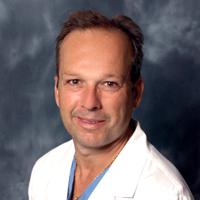
System Division Director

Director of cannonsburg Cardiology
Interventional Cardiology Fellowship

Program Director

Associate Director
Catheter Labs
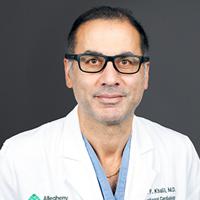
Director

Director, Armstrong County Regional
Cardiology ICU

Co-Director
Interventional Cardiology

Interventional Cardiologist
How to get care
Our interventional cardiologists will travel to an AHN location close to you. If you want a specific location, contact one of our locations below to schedule an appointment.
Allegheny General Hospital
320 East North Avenue
Pittsburgh, PA 15212
Get Directions
Wexford Health + Wellness Pavilion
12311 Perry Highway
Wexford, PA 15090
Get Directions
Jefferson Hospital
565 Coal Valley Road
Jefferson Hills, PA 15025
Get Directions
Forbes Hospital
2570 Haymaker Road
Monroeville, PA 15146
Get Directions
AHN Grove City
631 N. Broad Street Ext.
Grove City, PA 16127
Get Directions
AHN Kittanning
1 Nolte Drive Level 1
Kittanning, PA 16201
Get Directions
North Fayette Health + Wellness Pavilion
200 Quinn Drive
Pittsburgh, PA 15275
Get Directions
AHN Cardiology - Tri-County at Hempfield Neighborhood Hospital
6321 Route 30
Greensburg, PA 15601
Get Directions
AHN Cardiology - Premier - Northern Pike
3824 Northern Pike, Suite 525
Monroeville, PA 15146
Get Directions
Clinical trials and research
Our Interventional Cardiology Division is always looking for innovative technologies and approaches. If you would like to participate in a clinical trial and help our innovative team discover groundbreaking treatment solutions, ask your doctor if you are eligible to participate in one. Find currently active clinical trials that are open for participation.
Cardiovascular Research Institute
AHN’s Cardiovascular Research Institute is established on more than 100 years of innovation, spanning diverse areas of focus, including research for the latest in heart disease treatments. Our qualified team and heart disease prevention doctors take pride in utilizing new devices and medications, as well as state-of-the-art devices, technology, and therapies, to help revolutionize care for heart disease patients.
What is a clinical trial?
Clinical trials are studies that try to answer questions about new ways to treat your condition. You participate in a clinical trial only if you volunteer to do so and meet criteria for inclusion in the study, and you can stop participating in a trial at any time.
Who can join a clinical trial?
The plan for the trial, called a protocol, explains what the trial will do and how the study will be done. Based on the questions the research is trying to answer, each clinical trial protocol outlines specific criteria necessary to be eligible to join the trial.
Common criteria for entering a trial are:
- Having a certain type of disease.
- Having received a certain kind of therapy in the past.
- Being in a certain age group.
Federal rules help ensure that clinical trials are run in an ethical manner, with your rights and safety protected. It’s to ensure that you’re not put at increased risk by participating in the trial, and that the results of the study are accurate and meaningful.
Refer your patient to an AHN specialist
There are two ways for medical professionals, who are not a part of Allegheny Health Network, to refer their patients to an AHN specialist and request their first appointment. You can:
- Call (412) DOCTORS 412-362-8677.
- Go to Find Care to find the right AHN specialist and the most convenient location. Then refer your patient, provide relevant patient details, and request an appointment directly from the doctor's profile.
For more information about referring your patient to an AHN specialist, read the Independent Physician Referral FAQs.
After referring your patient
Once your patient is receiving care from an AHN specialist, you can view their test results, see their treatment plan, follow their treatment progress, and collaborate with our team using the EpicCare® Link™ platform.
If you are new to EpicCare Link, or need to request your own EpicCare Link account, read: EpicCare Link for Patient Follow-up, for user instructions and new account request forms.
When EpicCare Link is not an option for a patient's AHN medical records
If you can't access your patient's AHN test results through the EpicCare Link platform, your patient will need to complete and submit the correct AHN Medical Records Release form, based on their state of residency. Support your patient's request by downloading the correct medical records release form for them:
EpicCare® is a registered trademark of Epic Systems Corporation and used with permission.
EpicCare® Link™ is a trademark of Epic Systems Corporation and used with permission.