

Learn more about our appointment options, second opinions, locations, referrals, and resources that are at your disposal.

AHN Neurologic Critical Care Division (including Neuro ICU)
About the AHN Neurologic Critical Care Division (including Neuro ICU)
When a traumatic incident such as a car crash occurs, fast action saves lives. At AHN Neuroscience, we’re here when you need us the most. A neurologic event that leaves you or a loved one needing treatment from our critical care division can feel frightening and overwhelming. Our team has dedicated their professional lives to providing personalized and advanced care for those who need neurologic care. We are here to guide you and your loved ones with skill, compassion, and clear communication.
As a division under AHN’s Department of Neurosurgery, our Neurologic Critical Care team of dedicated trauma specialists provide 24/7 Neurocritical care at AHN’s Allegheny General Hospital and Forbes Hospital, two accredited trauma centers in western Pennsylvania. AHN provides neurotrauma care at:
- Allegheny General Hospital: Our Level I Trauma Center – the first health system in western Pennsylvania to earn this distinction – offers the highest level of critical care and intensive monitoring for the most severe types of neurotrauma. The center features a dedicated Neurosurgical Intensive Care Unit with 22 large private rooms, to give families privacy during difficult situations. Find out more about Allegheny General Hospital.
- AHN Forbes Hospital: This accredited Level II Trauma Center provides exceptional care for spinal injuries and serious brain and spinal injuries. We are the only accredited trauma center in Allegheny County outside of Pittsburgh. Read more about Forbes Hospital.
We are responsible for caring for patients with the highest level of acuity with regards to neurological injury, such as traumatic brain injury (TBI), a stroke or seizure. This includes using the latest monitoring techniques and treatment algorithms in an effort to achieve the best possible outcome. We use sophisticated robotics technologies and neurosurgical precision to expertly care for patients with severe brain injuries.
AGH Comprehensive Stroke Center
AGH is also a Comprehensive Stroke Center. According to the Joint Commission, Comprehensive Stroke Center certification is the most demanding stroke certification level and requires hospitals to meet evidence-based standards for staffing, technology, treatment, and outcomes. This means AGH offers its patients:
- Stroke specialists available around the clock
- Rapid brain imaging and diagnosis
- Clot-busting medications and procedures to remove blood clots
- Neurosurgery and treatment for bleeding in the brain
- Specialized neurocritical care
- Rehabilitation and recovery services
- Ongoing quality monitoring against national standards
Why choose AHN for neurologic critical care
Our approach to care is cutting-edge neurocritical care, emphasizing a commitment to staying on top of the latest devices, treatment protocols, and care innovations. The AHN team of trauma specialists is nationally recognized in treating patients who have traumatic injuries to the nervous system. All treatment decisions are made with the patient’s immediate needs in mind, along with a focus on the long-term recovery goals. Patients and families also benefit from our:
- Advanced critical care technology: Our sophisticated operating rooms are equipped with image guidance and other technologies that increase precision during highly complex surgeries. We use a full spectrum of monitoring technologies to assess the body’s healing process and detect complications early, when they are easier to treat. The team actively adopts new devices and treatment approaches as they become available.
- Closed-ICU model: Every patient admitted to the Neuro ICU is now managed by the covering ICU physician, who serves as the point person for that patient’s care.
- AGH comprehensive stroke care designation: Our stroke specialists, including neurologists and support professionals, use the latest technologies and advanced treatments to treat even the most serious and complex strokes. We track your long-term progress to monitor your health.
- Neurosurgery expertise: We were the first in western Pennsylvania to offer certain minimally invasive procedures to treat brain aneurysms. Our neurologic surgeons use sophisticated robotics technology to enhance precision in intricate surgery, increasing patients’ chances for a full recovery.
- Superior access: Our network offers specialized neuro-critical care services at two accredited trauma centers, allowing us to provide rapid, life-saving care to more people in Allegheny County and surrounding areas. Patients needing advanced stroke procedures, (e.g., thrombectomy, aneurysm treatment, advanced stroke treatment), may be transferred to AGH.
- Dedicated multidisciplinary trauma teams: Specialists in neurosurgery, neurology, critical care, neuro-radiology, and anesthesiology work together to provide an exceptional caliber of neuro-critical care to hundreds of patients every year.
Neurologic Critical Care Division (including Neuro ICU) FAQs
Navigating a neurological emergency can be overwhelming for patients and their families. At AHN, our specialized neurocritical care team manages neurological emergencies from initial stabilization through comprehensive rehabilitation and recovery. From the first emergency response through Neuro ICU care, specialized therapy, follow-up visits, and long-term recovery, AHN is with patients and families at every step of the journey.
What is a Neuro ICU?
The AHN neuro intensive care unit (frequently referred to as a neuroscience ICU) is a specialized intensive care unit within a comprehensive neurotrauma destination. Our continuum of care spans emergency services, advanced neurosurgery, specialized intensive care, rehabilitation, and long-term recovery, backed by 24/7 access to critical neuroscience specialists.
When is Neuro ICU care needed?
Patients require ICU-level care when they need advanced medical interventions, such as mechanical ventilators, closely adjusted blood-pressure or sedation medications, intensive neurological monitoring, or advanced brain monitoring tools including intracranial pressure (ICP) monitors, external ventricular drains (EVDs), and brain-oxygen monitors.
What conditions are treated in the Neuro ICU?
The most common conditions treated in the Neuro ICU include:
- Ischemic and hemorrhagic strokes
- Brain aneurysm ruptures
- Traumatic brain injuries (TBI)
- Brain tumors
- Seizures and status epilepticus
- Neuromuscular diseases (e.g., myasthenia gravis, ALS)
Who will care for me or my loved one in the Neuro ICU?
Our multidisciplinary trauma and critical care team is made up of specialists in neurosurgery, neurology, critical care, neuro-radiology, and anesthesiology. In addition to our physicians, your care team includes dedicated nurses, clinical pharmacists, advanced practice providers, physical and occupational therapists, social workers, and care coordinators who work together to support healing.
How long do patients typically stay in the Neuro ICU?
Because every patient’s journey is unique, the length of stay in the Neuro ICU varies. A typical patient path moves across:
- Emergency care
- Surgery (if required)
- Neuro ICU
- Rehabilitation
- Follow-up care
Our care team provides ongoing communication to keep families informed of progress and expected next steps.
What happens after a patient leaves the Neuro ICU?
Recovery continues well beyond the intensive care unit. Depending on individual needs, the next phase may involve inpatient or outpatient rehabilitation — including specialized traumatic brain injury rehabilitation — as well as physical, occupational, and speech therapies. AHN provides coordinated support to ensure a seamless transition toward long-term recovery, a safe return to work or school, and an optimal quality of life.
Does the AHN Neuro ICU accept transfers from other hospitals?
Yes. Patients arriving directly at Allegheny General Hospital (AGH) are evaluated in the emergency department and routed to the appropriate ICU based on their diagnosis. Transferred patients from network or outside hospitals are placed directly in the ICU best suited to their condition.
Conditions we treat
Our trauma specialists have deep experience treating patients with neurological conditions, including many types of brain injuries. After carefully evaluating the patient’s condition, we determine what the best course of treatment is, using the latest in advanced traumatic brain injury treatment and neurocritical care. Surgery isn’t always the only solution. When possible, we consider nonsurgical, minimally invasive, and supportive approaches that align with each patient’s condition and goals.
Brain injuries and trauma
The Neuro-Intensive Care Unit (Neuro ICU) provides specialized, critical care for patients suffering from acute physical trauma to the brain and central nervous system.
- Traumatic brain injury (TBI): This refers to when someone experiences damage to the brain caused by a sudden physical force, blow, or jolt to the head. Learn more about traumatic brain injury (TBI).
- Skull fractures: These occur when there are breaks or cracks in the cranial bones surrounding the brain, often resulting from significant blunt-force impact.
- Spinal cord injuries: Resulting from damage to the spinal cord that results in a temporary or permanent loss of motor function, strength, or sensation below the site of injury. Learn more about spinal cord injuries.
After receiving treatment, some patients may be referred to AHN’s comprehensive brain injury rehabilitation programs for ongoing recovery.
Brain bleeding and vascular conditions
Vascular emergencies and bleeding within or around the brain require immediate, expert medical and surgical intervention to minimize tissue damage and stabilize critical patients.
- Stroke: This is a medical emergency occurring when blood flow to a part of the brain is blocked or when a blood vessel bursts, depriving brain tissue of oxygen. Learn more about stroke.
- Brain bleeds: These are hemorrhages occurring inside the brain tissue that can rapidly increase intracranial pressure and require close monitoring.
- Subdural and epidural hematomas: Referring to collections of blood that form between the skull and the surface of the brain, typically following head trauma, requiring specialized neurosurgical evaluation.
- Cerebral aneurysms: These are weak, bulging spots on the walls of blood vessels in the brain that pose a risk of leaking or rupturing. Learn more about cerebral aneurysms.
- Non-traumatic brain injury related to bleeding: These are intracranial (inside the skull) hemorrhages caused by underlying medical conditions, such as severe hypertension or blood disorders, rather than physical trauma.
Brain tumors and infections
Patients facing complex neurological tumors, masses, or severe central nervous system infections can receive intensive medical management, advanced monitoring, and post-operative care in our Neuro ICU. We see people who are experiencing:
- Brain tumor: This is an abnormal growth of tissue within the brain or central nervous system that can be benign (non-cancerous) or malignant (cancerous). Learn more about brain tumors.
- Meningitis: This can happen if there is inflammation of the protective membranes covering the brain and spinal cord, typically caused by a severe bacterial or viral infection.
- Encephalitis: A condition that can cause serious and potentially life-threatening inflammation of the active tissues of the brain caused by a direct viral infection or an autoimmune response.
- Other brain infections: These include severe localized or systemic infections affecting the central nervous system, such as intracranial abscesses.
Seizure and neuromuscular conditions
The Neuro ICU is fully equipped to manage critical exacerbations of neurological disorders, including severe, prolonged seizure activity and acute complications from neuromuscular diseases.
- Seizures: Sudden, uncontrolled bursts of electrical activity in the brain that, when prolonged or continuous (such as status epilepticus), require intensive critical care intervention.
- Neuromuscular disease: Progressive or acute disorders affecting the peripheral nervous system and muscles, which can impair vital functions like breathing and frequently require advanced respiratory support. Learn more about neuromuscular disease.
As part of our treatment protocols, we use advanced monitoring techniques, including brain oxygen monitoring, intracranial pressure monitoring and continuous EEG monitoring, to achieve the best possible outcomes in our patients. Video EEG is used extensively in the Neuro ICU to identify seizure activity that cannot be detected through CT or MRI. It is particularly important for detecting non-convulsive seizure activity, which may present as a patient failing to awaken as expected rather than the visible convulsions typically associated with seizures.
Neurologic Critical Care Division (including Neuro ICU) specialists
The team of dedicated Neuro ICU specialists at AHN have committed their professional lives to improving the health of their patients. They work closely with patients and their families, explaining procedures and their approach to care, so everyone feels confident in the recommended treatment plan. These neurosurgeons are focused on providing advanced, safe, and personalized neurologic care.
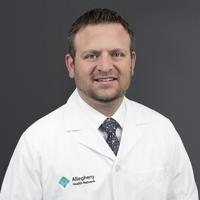
Neurosurgery, Functional Neurosurgery, Neurocritical Care

Neurosurgery
Neurosurgery
How to get care
If you were recently discharged from Neurologic Critical Care at an AHN hospital, we’re here to help you with the next step in finding follow-up care.
Schedule your appointment today
After being treated by a Neurocritical care physician and discharged from the hospital, patients typically require follow up with multiple clinicians according to their condition and treatment plan. If you were discharged from the hospital and advised to schedule a follow-up visit with one of our Neuro critical care or Neurosurgery physicians, please call 412-359-6200.
What to expect at your new patient visit
When you receive care at AHN Neuroscience, you’re working with board-certified neurologists, neurosurgeons, and pain management physicians who can deliver highly specialized treatments using the latest, most advanced technologies. We recommend that you bring a trusted friend or family member to attend any appointment, but we do not recommend taking young children who cannot be left unattended in the waiting rooms.
We encourage you to sign up for AHN MyChart access where you can complete some new patient paperwork and questionnaires through MyChart web portal or MyChart smartphone app.
Plan to arrive at the check in desk about 30 minutes prior to the start of your appointment. That provides enough time for the necessary intake information. Even if you use the eCheck-in through MyChart, we ask that you arrive at a check in desk 15 minutes before the start of your appointment to make sure we have your appropriate information.
What to take to your first visit
We recommend that you bring a trusted friend or family member to attend any appointment, but we do not recommend taking young children who cannot be left unattended in the waiting rooms. There are also certain items and paperwork you’ll want to have with you, so our office staff and healthcare team have your necessary information.
Required identification and payment
In order to process your information and start your appointment on time, please bring:
- Insurance cards
- Photo ID
- Copay (no cash accepted)
Medical information and records
Please bring copies of previous medical records, including office visit notes, lab work, hospital stay summaries, and radiology reports from outside health organizations. You’ll also want to have a complete list of medications and supplements, including dosing amounts. For worker’s compensation or auto claim purposes, please have: date of injury, claim number, billing address, name and phone number of claims adjuster.
Imaging studies (if applicable)
If you have had imaging studies done at outside of Allegheny Health Network imaging locations, you will need to:
- Contact the imaging facility and request a physical disc with the imaging and radiologist report.
- Some sites will require a few days to a week’s notice before you can pick up the disc.
- If you do not have copies of imaging, your initial evaluation will be incomplete, and we may need to schedule additional appointments.
Personal items and equipment (if applicable)
If you will require any personal items or medical equipment — walker, cane, wheelchair, oxygen — that will make your post-procedure care easier, please bring that with you.
Clinical trials and research
In the Neuro ICU, we are constantly evaluating new technology and working to participate in clinical trials. We are currently working towards enrolling patients in a trial that involves non-invasive monitoring of intracranial pressure. In addition, we are continuously developing and re-developing treatment protocols and algorithms. As part of this process, we meticulously track our outcomes before and after these changes to ensure that we are providing the highest level of care available.
What is a clinical trial?
Clinical trials are studies that try to answer questions about new ways to treat conditions with medications, radiation, or surgical techniques. Previous trials have shown how new methods of treatment improve survival and quality of life.
You participate in a clinical trial only if you volunteer to do so and meet criteria for inclusion in the study, and you can stop participating in a trial at any time.
Who can join a clinical trial?
The plan for the trial, called a protocol, explains what the trial will do and how the study will be done. Based on the questions the research is trying to answer, each clinical trial protocol outlines specific criteria necessary to be eligible to join the trial.
Common criteria for entering a trial are:
- Having a certain condition.
- Having received a certain kind of therapy in the past.
- Being in a certain age group.
- Federal rules help ensure that clinical trials are run in an ethical manner, with your rights and safety protected. It’s to ensure that you’re not put at increased risk by participating in the trial, and that the results of the study are accurate and meaningful.
Currently active clinical trials
If you would like to participate in a clinical trial and help our innovative team discover groundbreaking health solutions, ask your doctor if you’re eligible to participate in one. Find currently active clinical trials that are open for participation.